Last updated: August 2026
Concrete roof tile problems are the single most common reason a Dublin suburban roof from the 1950s onward reaches the end of its life. The tiles do not fail suddenly, they wear out slowly and then all at once, and knowing which stage yours are at is the difference between a repair and a full replacement.
How a Concrete Tile Actually Wears Out
A concrete roof tile is sand, cement and pigment pressed into shape, with a smoother, denser surface layer on the face. That surface is what sheds water. For the first few decades it does that very well, which is why these roofs were fitted in their millions across suburban Dublin.
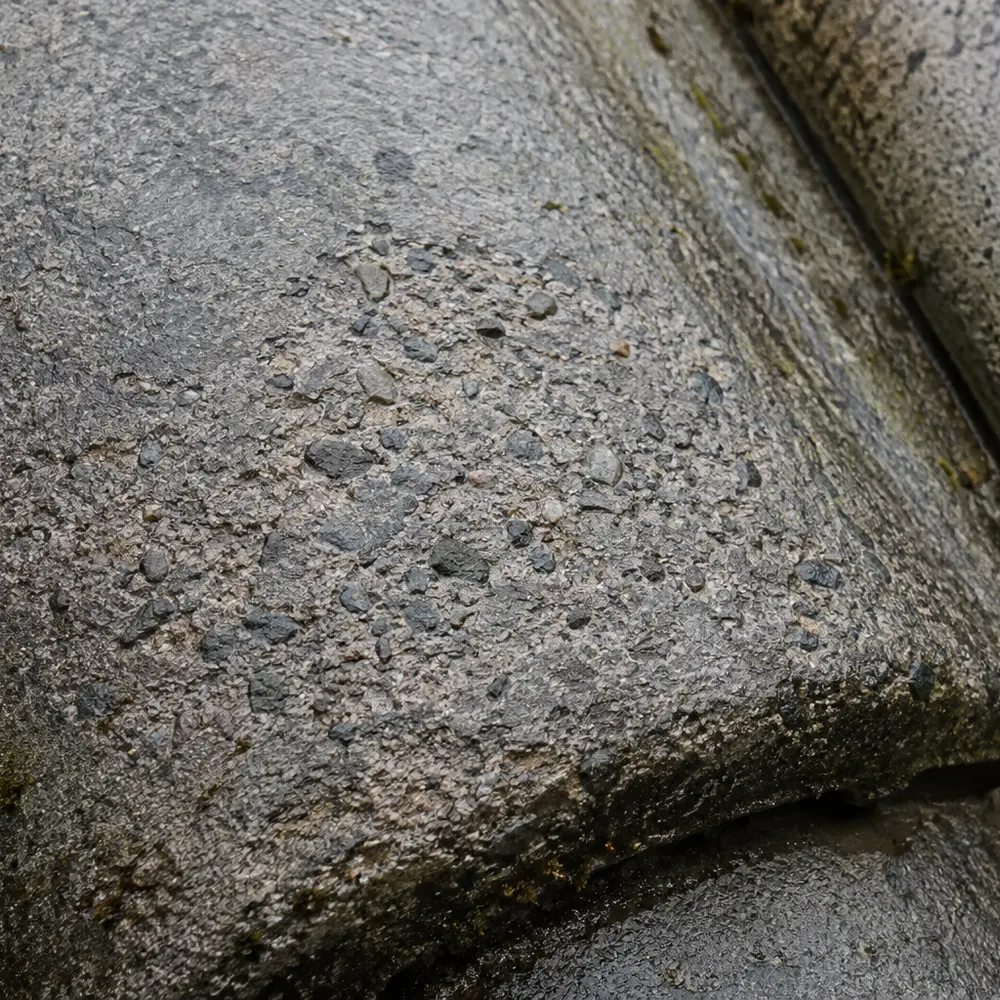
What wears it out is simply weather. Decades of rain, frost and sun erode that face away until the coarser material underneath is exposed. Once the aggregate is showing, the tile has lost the part that made it waterproof, and it starts behaving like a sponge instead of a shield.
You can check this yourself without going near the roof. Look at the colour from the garden, because a tile that has gone will have faded patchy and dull rather than staying even. If you can safely reach one, run a hand across it. A sound tile feels smooth. A finished one feels like coarse sandpaper.
Why Frost Does the Real Damage
A porous tile is a problem mainly because of what winter does to it. The tile absorbs water, the temperature drops, the water freezes and expands, and the tile splits from the inside. That is why these roofs seem to lose a few more every winter rather than failing evenly across the year.
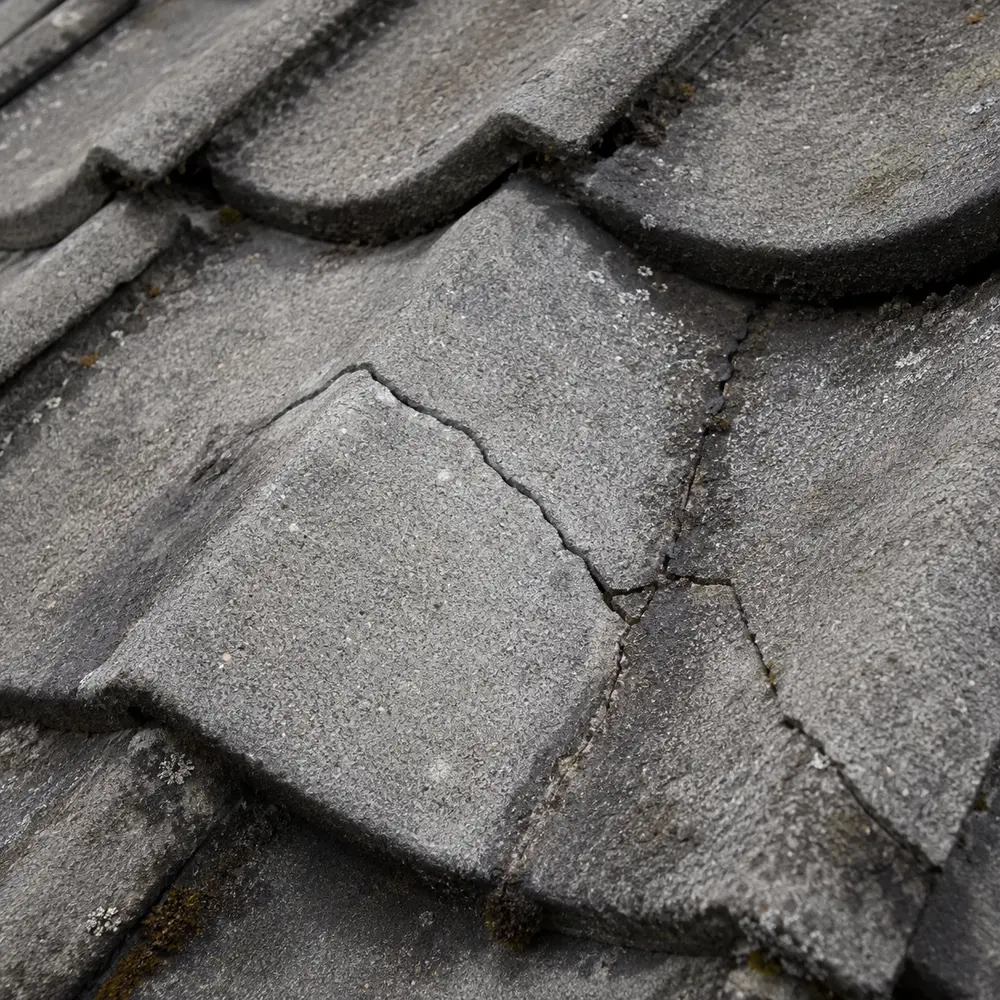
Replacing the cracked ones works for a while, and it is a perfectly sensible repair while the numbers are small. The catch is that every tile on the roof is the same age and the same mix, so they are all on the same clock. The year you notice you are replacing more than a handful is usually the year the roof has made the decision for you.
- A few cracked tiles over several winters is normal ageing and a repair.
- A few every single winter means the tiles have gone porous generally.
- Surfaces flaking and colour gone patchy means the wear is across the whole roof.
- Heavy moss taking hold easily is usually a symptom of a rough, worn surface rather than the cause of anything.
Why Sealing and Painting Do Not Fix It
Coatings and sealants get sold hard for exactly these roofs, and it is worth being straight about them. A coating goes on top of the tile. The problem with a worn tile is the tile itself, which is breaking down structurally, so putting a layer over the surface does not restore what has eroded away underneath it.
Cleaning is a different question. Removing heavy moss can make a tired roof look considerably better, and where the tiles underneath are genuinely still sound that is a reasonable thing to do. Where they are not, a clean simply reveals how worn they are, and aggressive cleaning on brittle tile breaks more of it. We will tell you which of the two situations you are in.
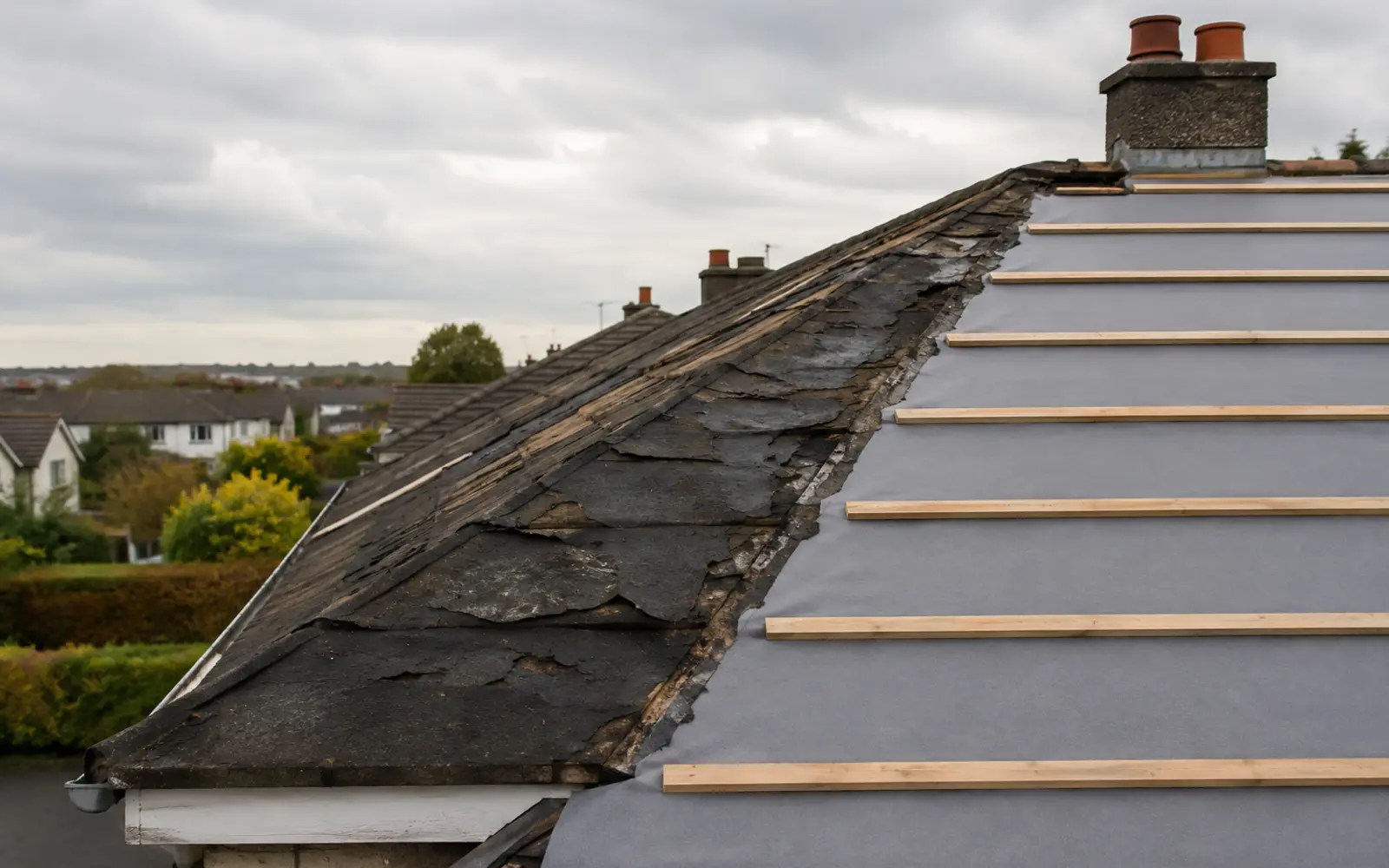
The honest answer for a roof whose tiles have gone is replacement of the covering, which also gives you the one opportunity to renew the felt and battens underneath while everything is open.
The Part You Cannot See Matters More
Here is the thing most people are surprised by. On a roof of this age, the tiles are often not the worst of it. Underneath sits bitumen felt that was the roof's second line of defence, and it has usually gone brittle and torn along the rafters long before the tiles finished wearing out.
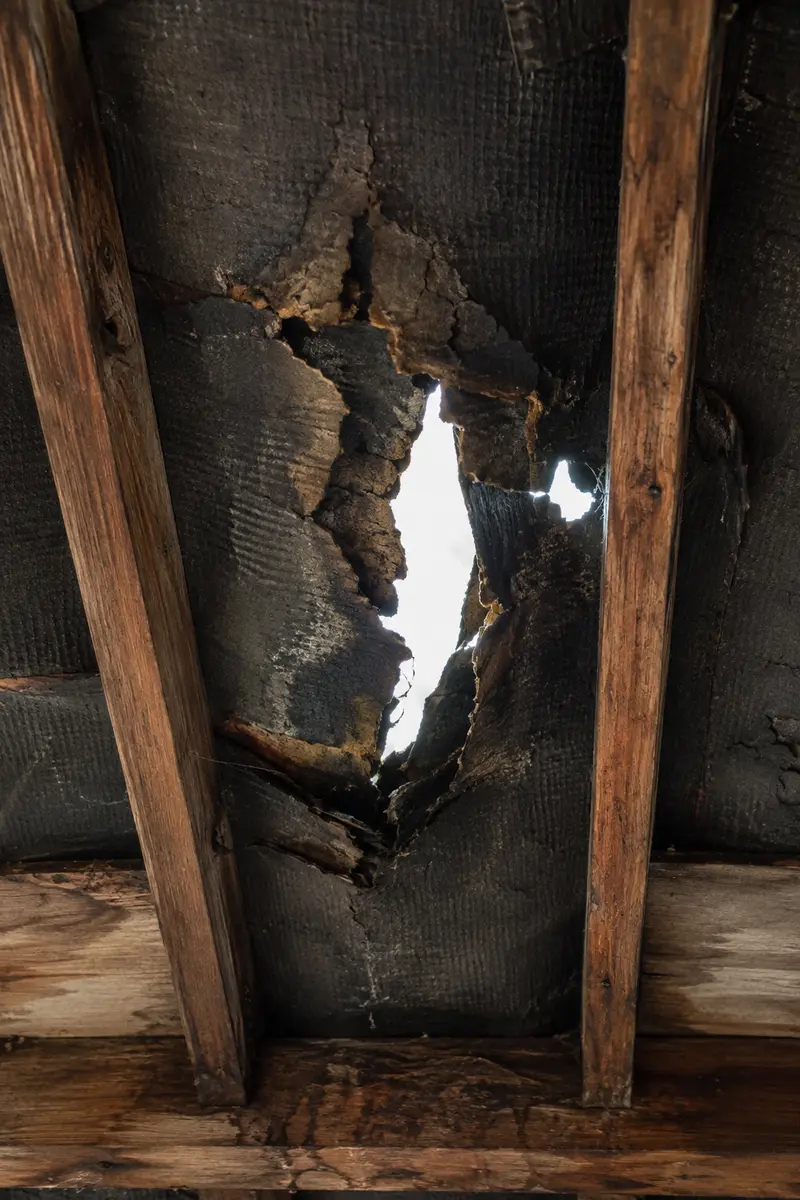
That is why an honest assessment of a suburban roof means going into the attic, not just looking from the road. A roof can look reasonable from the footpath while the layer doing the quiet work behind it has already failed, and it is the combination of worn tile and gone felt that turns ageing into finished.