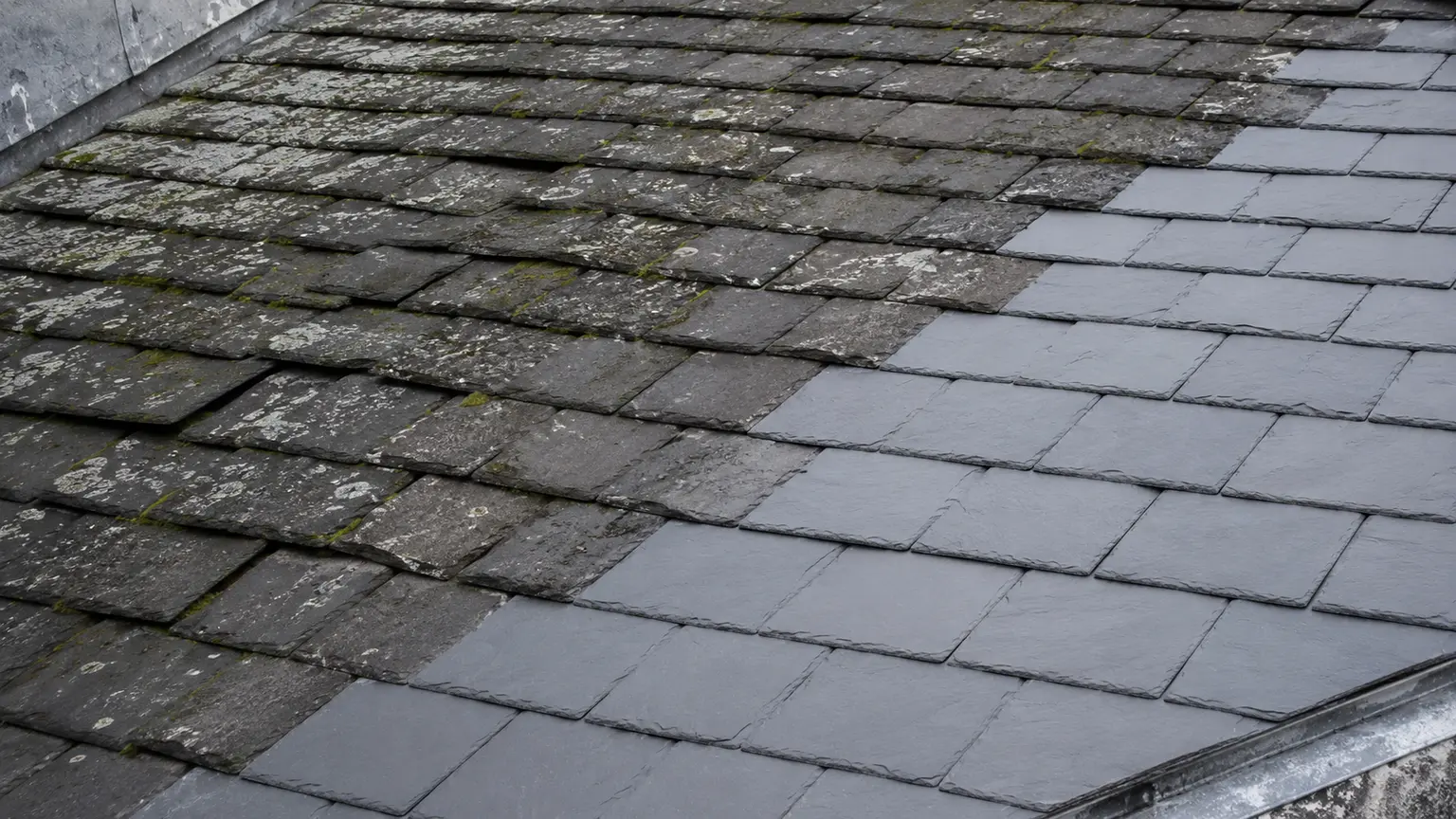
A 1950s Dublin suburban semi with its original tile roof
Mid-Century Roofing · Dublin

When to Re-Roof a 1950s House, and When to Leave It Alone

The signs that mean a mid-century Dublin roof is genuinely finished, the ones that mean you have years yet, and why the timing is worth getting right.

Last updated: August 2026

Knowing when to re-roof a 1950s house is mostly about telling the difference between a roof that is ageing and a roof that is finished. Both look tired from the road. Only one of them needs several thousand euro spent on it this year, and plenty of these roofs still have real life left in them.

The Signs That Mean It Is Due Now

A roof built in the 1950s is now around seventy years old, which is at or past what the original tile and felt were designed for. That does not mean every one of them needs replacing today. What it means is that any of them could, so the condition matters far more than the birth date.

  • Cracked or broken tiles every winter, not just occasionally.
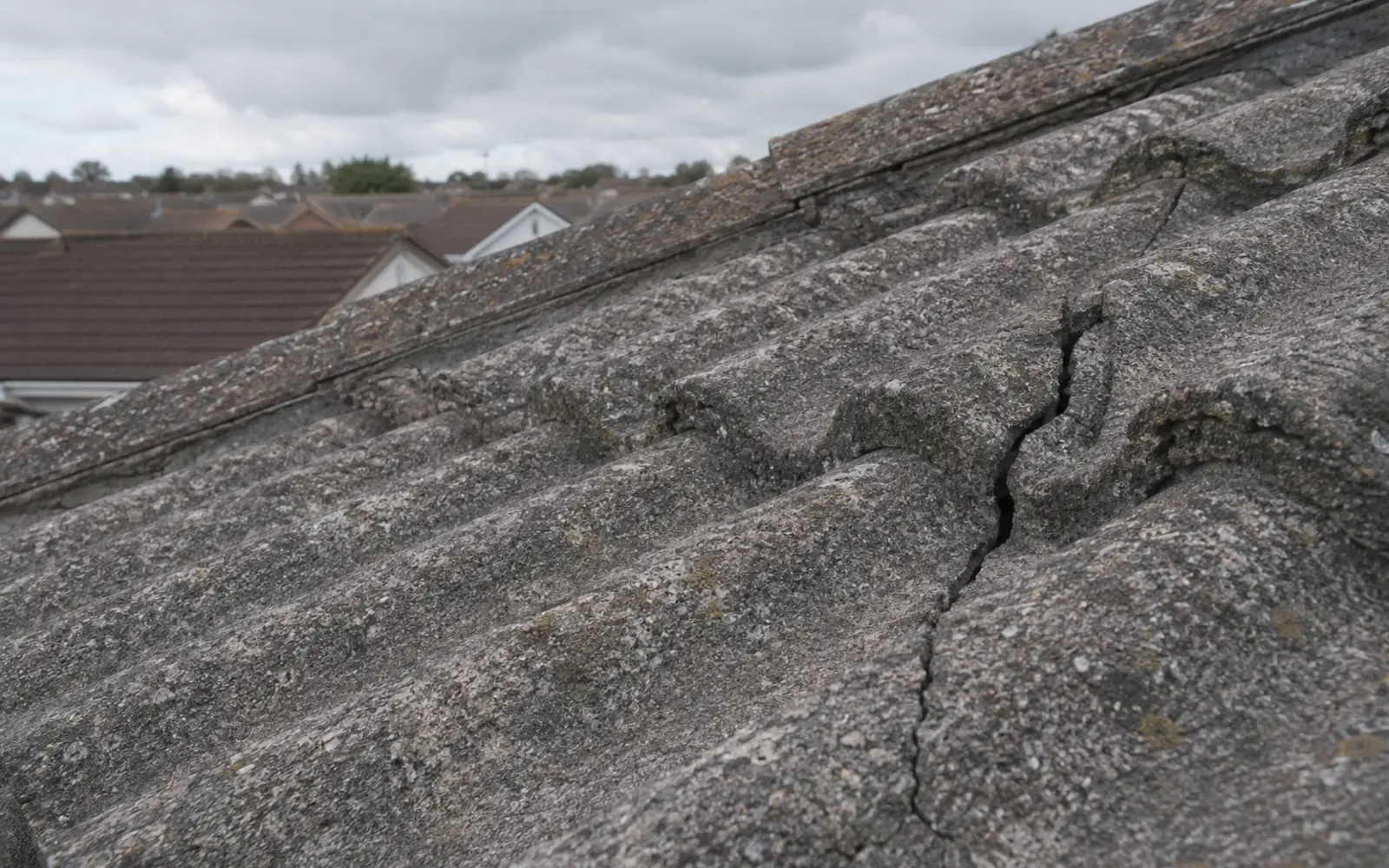
  • The tile surface gone rough and the colour faded patchy across whole slopes.
  • Felt visibly torn or missing when you look up in the attic on a bright day.
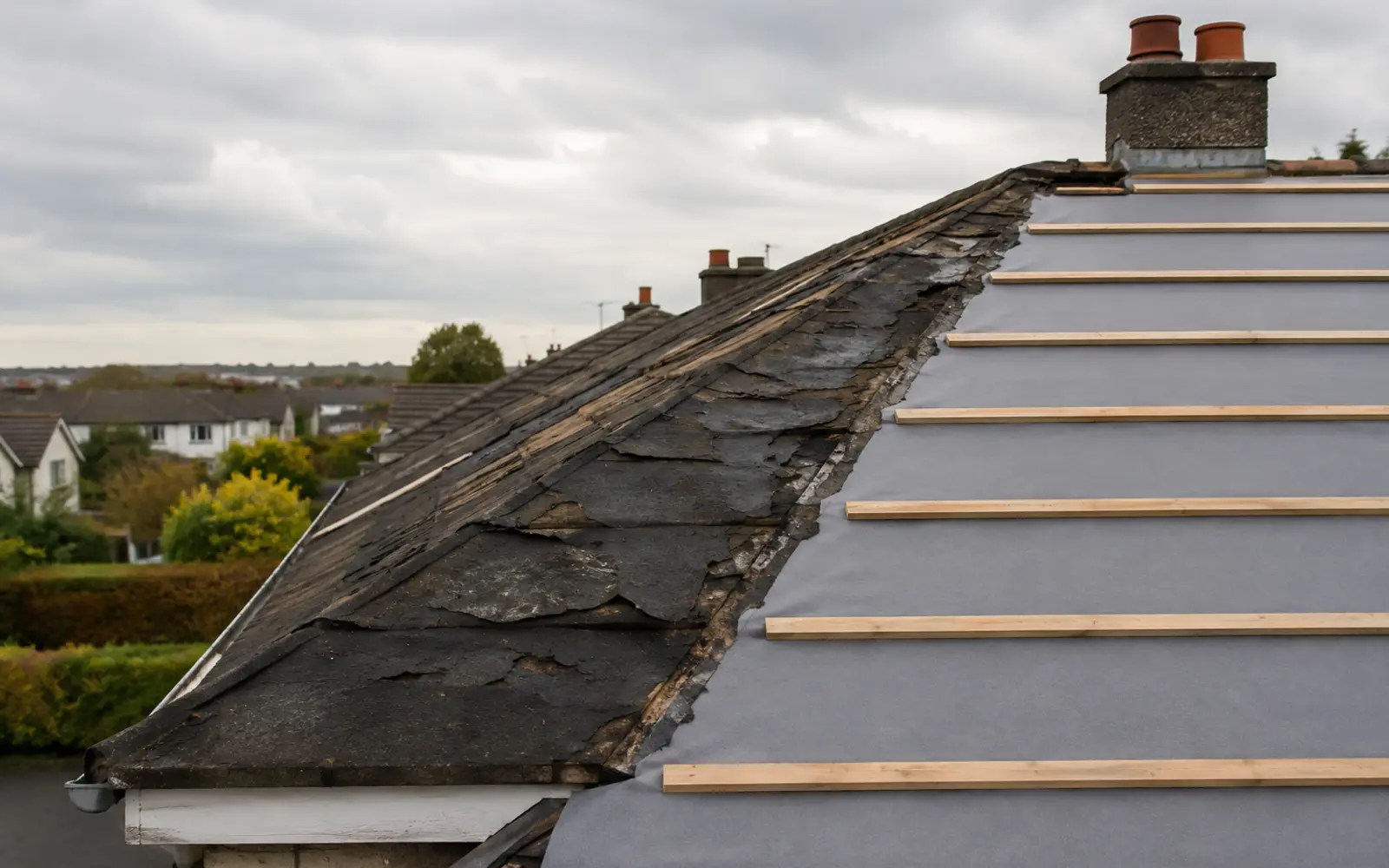
  • Ridge or verge mortar cracked and dropping out, leaving tiles loose along the top or the gable.
  • Damp staining on upstairs ceilings after heavy or wind-driven rain.
  • A dip or wave in the roofline where the neighbours' roofs are straight.

One of these on its own is usually a repair. Three or four together, particularly worn tile plus gone felt, is a roof telling you it is finished rather than ageing.

When Waiting Is the Right Call

It is worth saying plainly that plenty of mid-century roofs get replaced earlier than they needed to be. If the tiles are still smooth and even in colour, the felt in the attic is intact, and you are not losing tiles, the roof is doing its job regardless of its age.
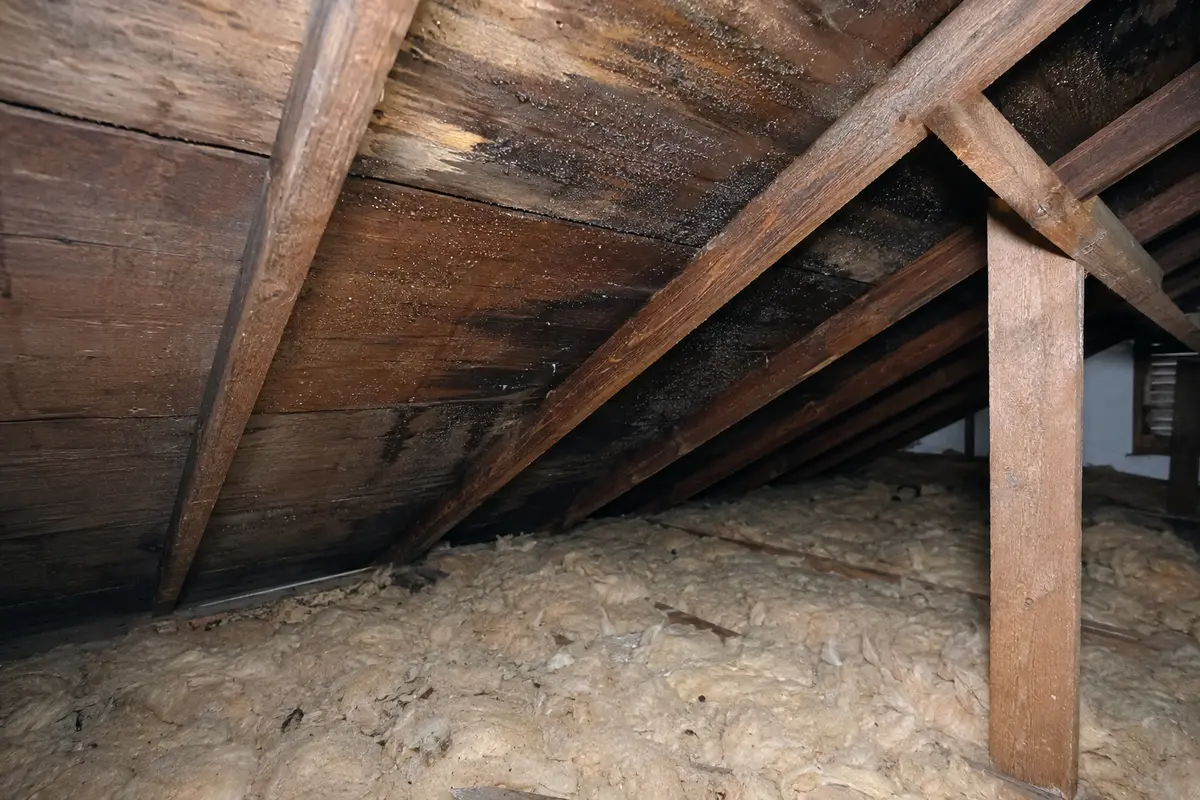
Damp staining on attic rafters in a Dublin house from trapped condensation
Worth knowing the difference: damp on attic timbers can be condensation from poor ventilation rather than a leaking roof.

One thing that catches people out is damp in the attic that has nothing to do with the roof. These houses were built without modern ventilation, and where insulation has been added over the years without airflow to match, moisture from inside the house condenses on cold timbers. That looks alarming and is not a leak, and re-roofing to solve it would be an expensive way to fix the wrong problem.

Why Planning Beats Waiting for a Leak

Most people call a roofer when there is a stain on a ceiling. Getting ahead of that point is worth real money, and not only because of the ceiling. A roof replaced on your schedule can be done in decent weather, quoted properly with time to compare, and budgeted for a year that suits you.

A roof replaced after a failure is done in a hurry, usually in bad weather because that is when roofs give up, and often alongside repairs to plaster and decoration that would not have been needed otherwise. The work itself costs much the same. Everything around it does not.

There is a local signal worth using too. On estates where whole roads went up together, neighbours having work done is a reasonable indicator that the road is reaching that stage, because those roofs are the same age with the same materials on them.

Repair or Replace, Decided Honestly

The test we apply is simple enough. Is the problem in one place, or across the whole roof? A slipped tile, a cracked ridge section or a failed flashing is contained, and the sensible answer is to repair it and leave the rest alone.
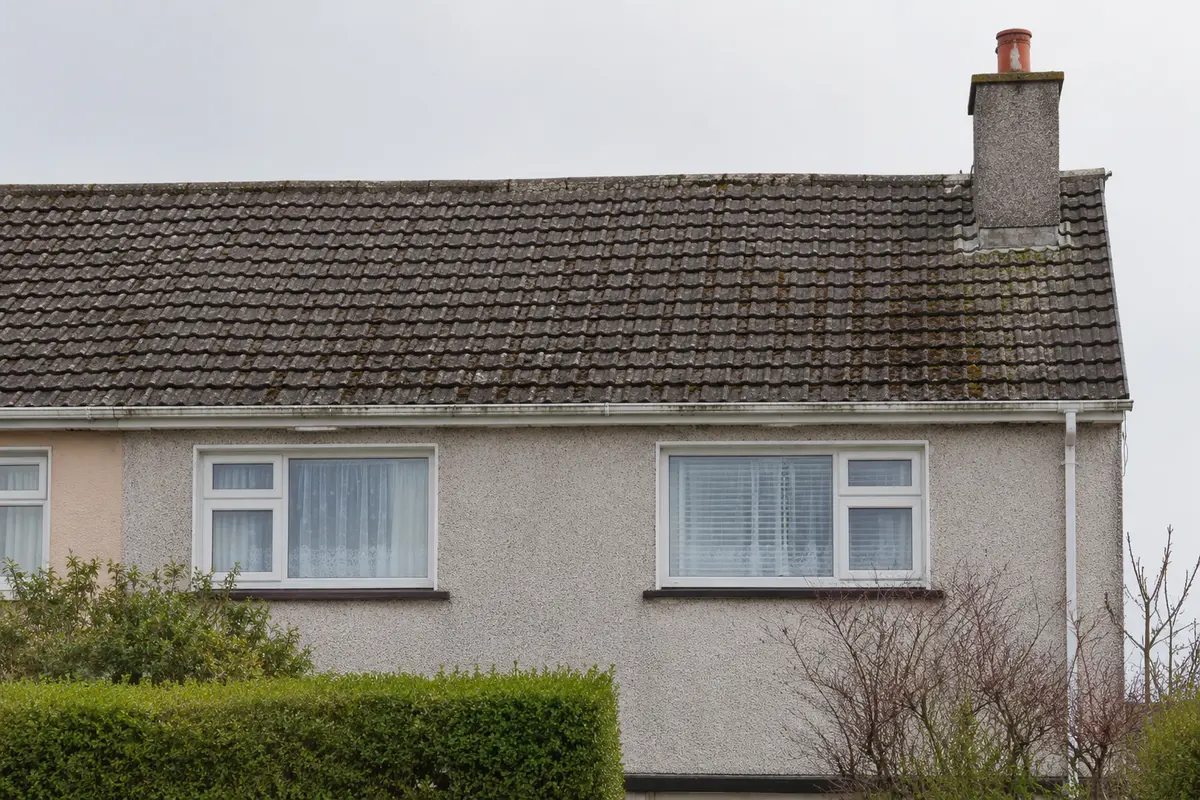
A tired mid-century Dublin roof with worn patchy tile before replacement
Worn, patchy and mossy across the whole slope. At this stage repairs stop being value for money.

Where the tiles have gone porous generally, the felt has torn through and the ridge mortar has failed, repairs stop making financial sense, because each one is money spent on a covering that is going anyway. That is the point at which replacement is the cheaper decision over any reasonable timeframe, and we will say so plainly rather than selling you repairs indefinitely.
Timing Questions, Answered

My 1950s roof has never been touched. Is that bad?
It is common rather than alarming, and it does mean the roof is running on its original materials. What matters is their condition. Some of these roofs are genuinely still sound and some are well past it, and the only way to know which is a look at the tiles and, more importantly, at the felt and timbers from inside the attic.
Should I wait until it leaks?
We would not recommend it. Once water is getting in you are usually paying for ceilings, insulation and decoration on top of the roof, and the work happens in a rush in whatever weather is going. Planning it means better timing, a proper chance to compare quotes, and the money going into the roof rather than the damage.
Several neighbours have re-roofed. Does that mean we should?
It is a useful signal on estates where the houses went up together, since those roofs share an age and a batch of tiles. It is not proof for your particular house though, because a roof that had some work along the way can run years longer than the identical one next door. It is a good reason to get it looked at rather than a reason to commit.
How long does a mid-century re-roof take?
A typical suburban semi is usually a matter of days rather than weeks, weather permitting, and you can stay in the house throughout. There is scaffold up and a skip outside for the duration, and the noisiest part is the strip at the beginning.
Honest prices, up front

We Publish Our Roofing Prices

Most roofers make you chase a number. We put honest guide prices for roof repairs, flat roofs and full re-roofs right on the site, so you can budget before you ever pick up the phone. Every job still gets a free inspection and a written quote, with no pressure to go ahead.

See our Dublin roofing costsReal 2026 guide prices for every job on the roofView the price guide →
Reviews

What Dublin Homeowners and Businesses Say

We have never asked anyone for a review, and we have never taken one down. Our perfect 5.0 rating from 41 Google reviews is simply what people wrote once the job was finished, tidied and paid for.

5.0
★★★★★
Rated on Google · 41 reviews
Read all reviews
★★★★★

“Our house is over 40 years old, and the guttering hadn’t been replaced in decades. Roofing Acadamy showed us exactly what was wrong using drone footage very impressive! They replaced the entire system with new uPVC and ensured the downpipes flowed properly. The difference in rainwater drainage is huge. No more puddles around the foundation.”

J
Jack Collins
Verified Google review
★★★★★

“"Super impressed with Acadamy roofing work. They replaced our entire roof in under a week and even cleaned up thoroughly afterwards. No hidden costs, no delays—just solid work.”

J
Jamie Brown
Verified Google review
★★★★★

“I contacted The Roofing Academy to replace my old guttering, and I couldn’t be happier with the results. They provided clear advice on the best materials, completed the installation quickly, and the finish looks fantastic. Now my home is fully protected from leaks and water damage. Highly recommend their guttering services”

F
Finn Boyle
Verified Google review

Get Your Free Dublin Roofing Quote

A free quote, a friendly local team, and a straight answer on what your roof needs.

  • Free inspection and a written quote
  • 20-year guarantee on our work
  • Family-run since 1989, fully insured

Rated 5.0 on Google from 41 reviews

Get your free quote

Send your details and we will come out for a free inspection.

Thanks, we have your details

We will be in touch shortly.