Last updated: August 2026
If the ridge of your period roof has developed a dip, or the slate line has a visible wave in it, the roof is telling you something about the structure underneath. It is worth understanding early, because sound timber is far cheaper to keep than to replace.
What a Dip in the Ridge Is Telling You
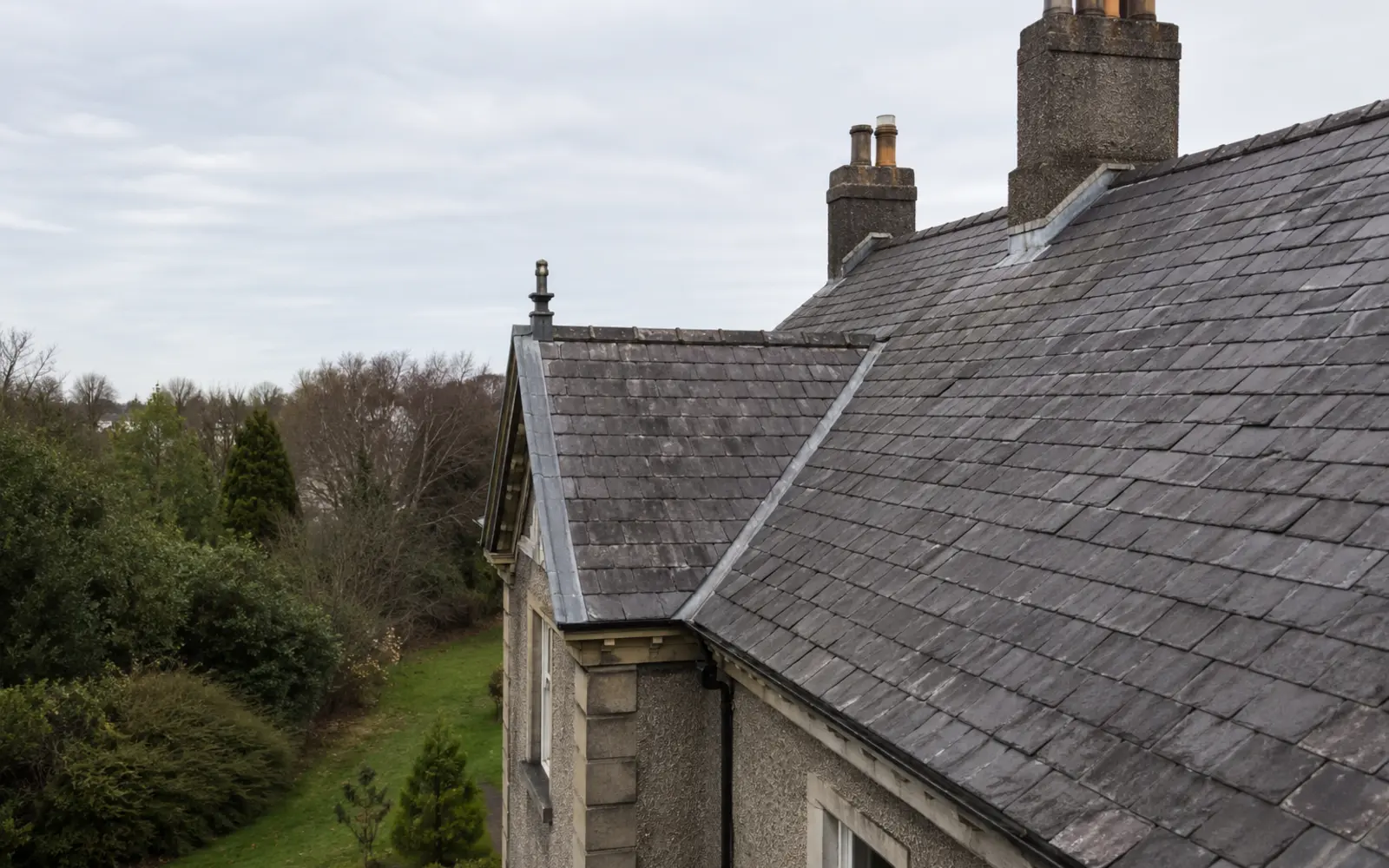
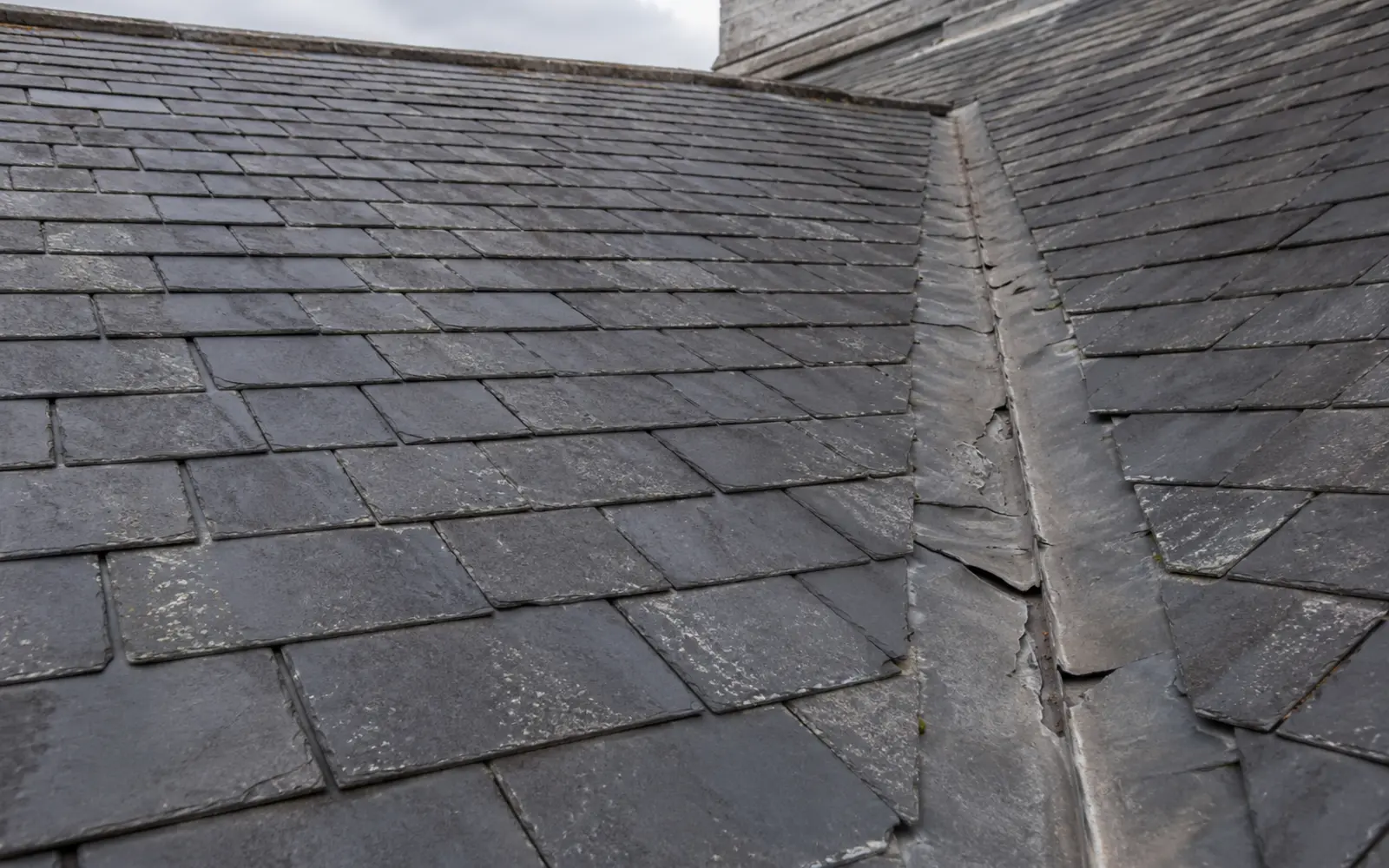
A Victorian or Georgian roof carries a heavy load of natural slate on timber that is often well over a hundred years old. Over that time the rafters, the ridge board and the purlins can slowly deflect under the weight, and where a timber has been weakened by damp, woodworm or an old undersized repair, the roof dips. That is what you are seeing when the ridge line sags in the middle or the slate develops a wave: the covering following the movement in the structure beneath it.
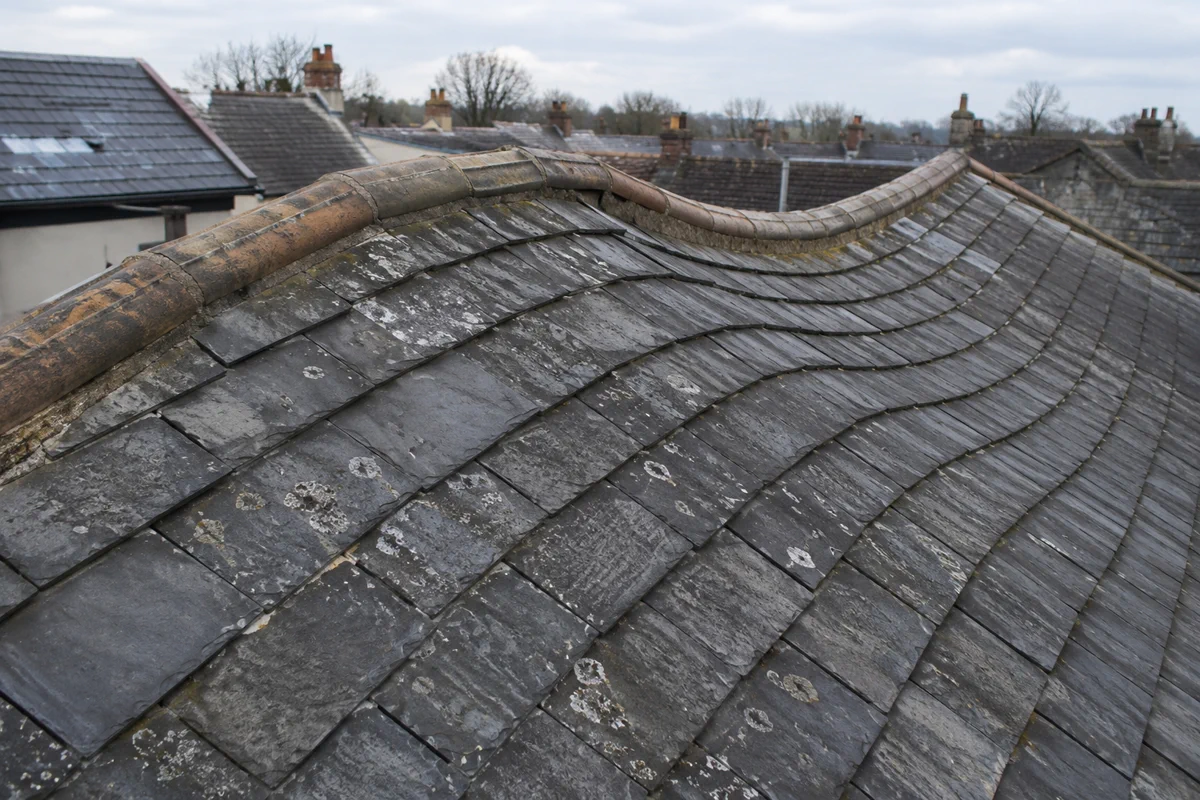
A slight, even settle across an old roof is common and often harmless. What matters is a dip that is getting worse, a sharp local sag, or one that comes with damp inside, because those point to a timber that is actively failing rather than one that settled generations ago and stopped.
Why It Pays to Catch It Early
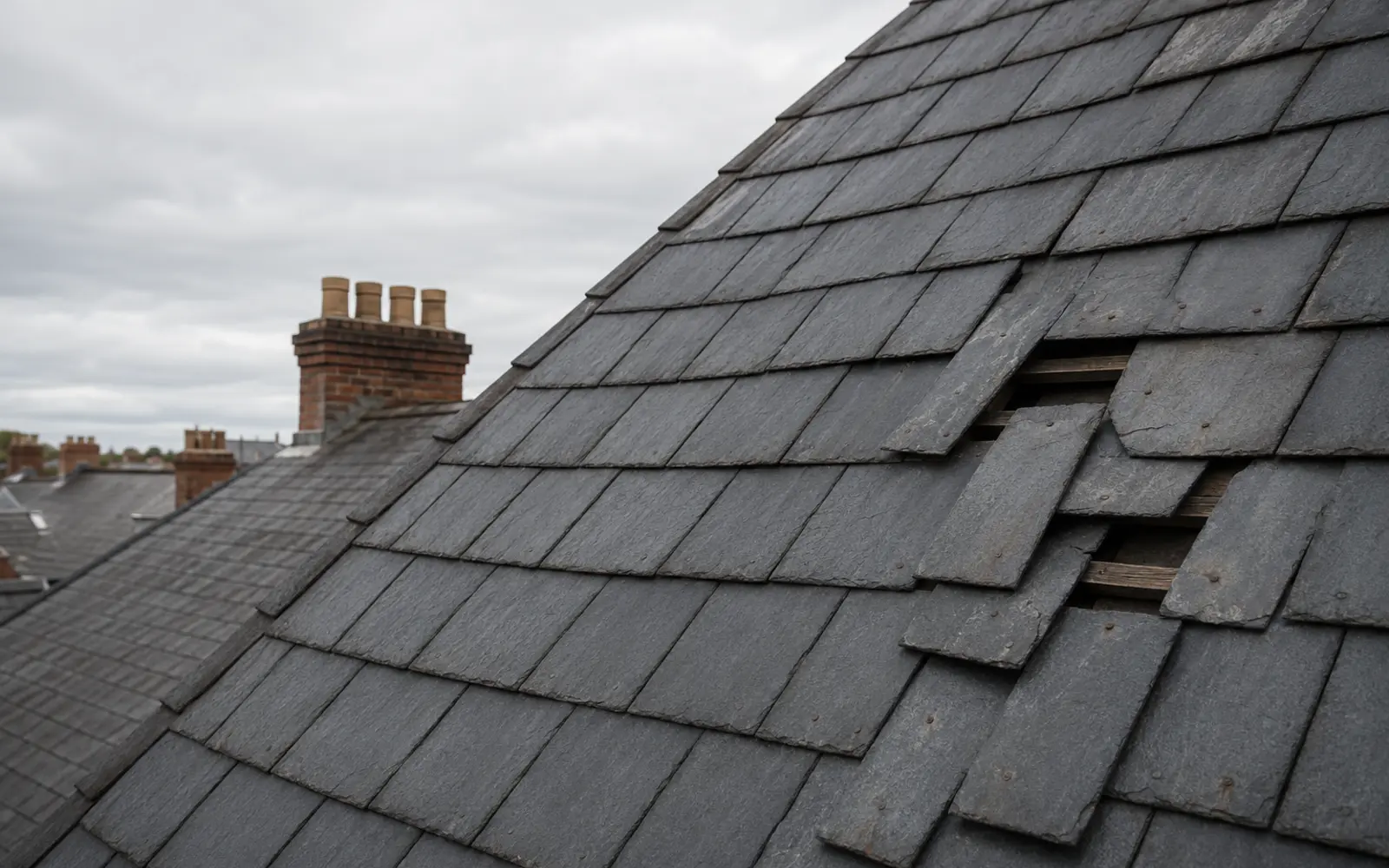
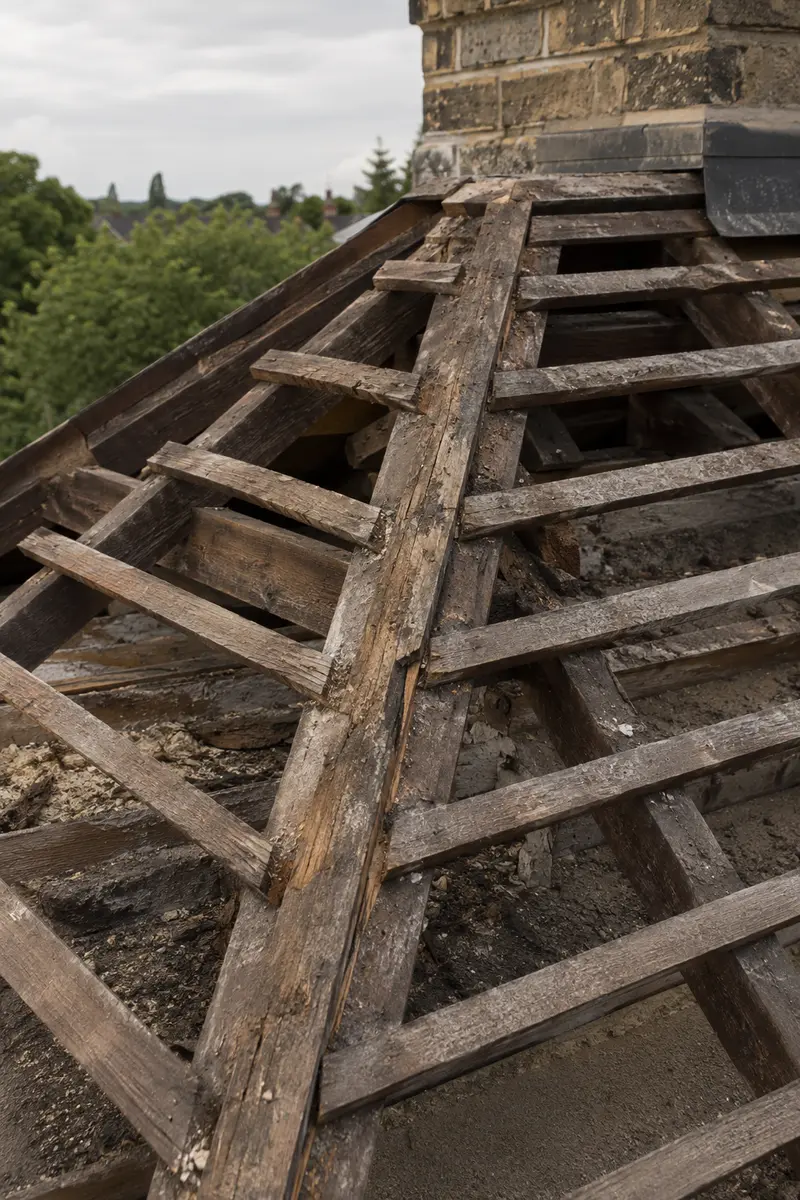
Timber problems compound. A rafter softened by a long-standing leak carries less, so the timbers around it take more, and the dip spreads. Caught early, a weakened rafter or purlin can often be sistered, strengthened or spliced while the rest of the structure is sound, which is a modest job. Left until the roof has moved significantly, more of the structure needs attention and the repair grows.
Because the cause is under the slate, the only way to see it properly is to look, ideally from inside the attic as well as on the roof. On a period home a dip is rarely just cosmetic, so it is worth an honest inspection rather than a guess from the ground.
How a Sagging Period Roof Is Put Right
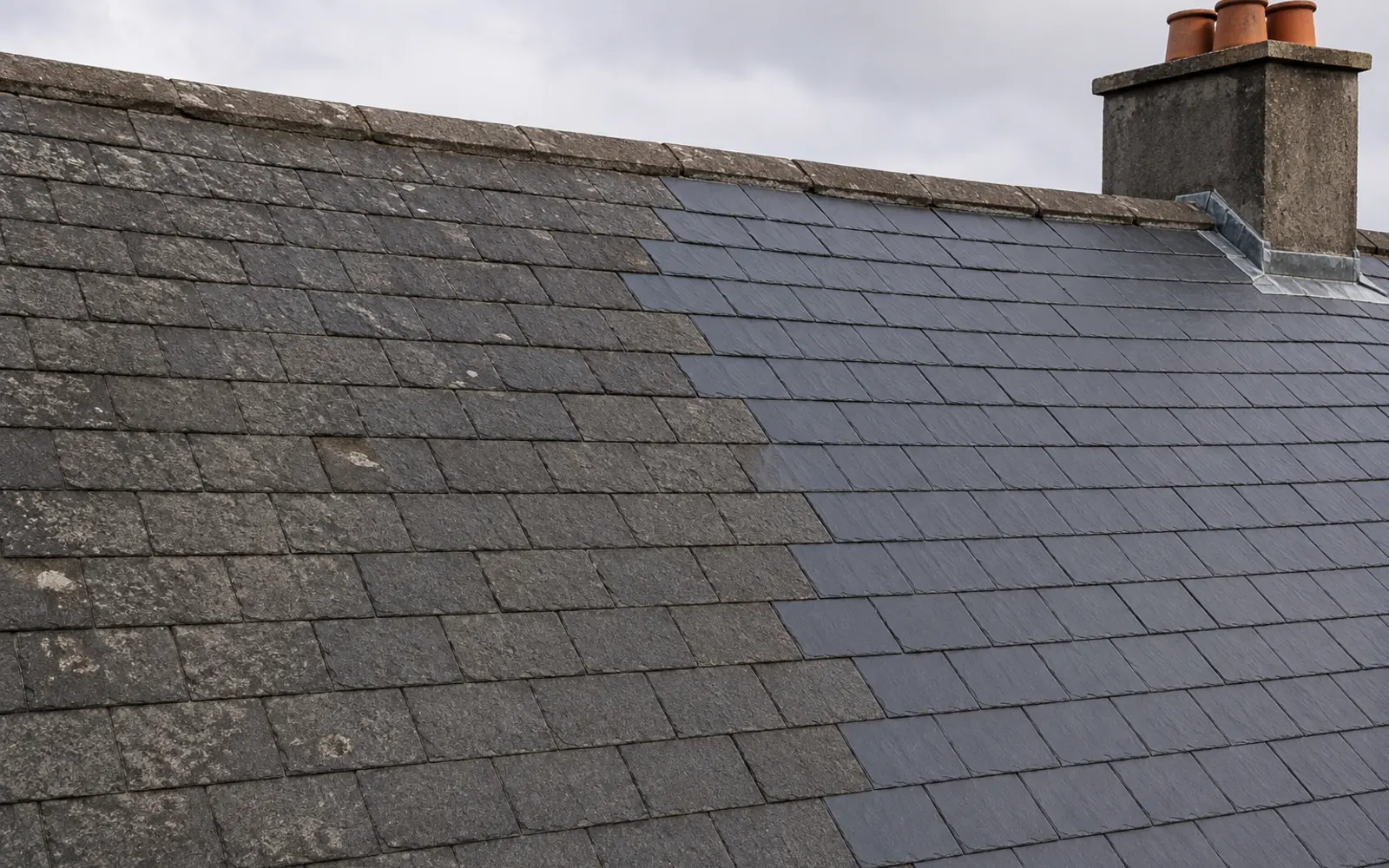
Where the structure has moved, the fix is to deal with the timber, and a re-roof is often the natural moment to do it, because with the slate off the whole structure is finally in full view. Tired rafters and battens are repaired or replaced, weakened members are strengthened, and the roof is then re-laid true on new underlay and non-corroding nails. On a period home the aim is a sound, correctly-loaded structure that still reads as the original roof from the street.
If your ridge has started to dip, a free inspection will tell you whether it is an old, stable settle you can leave, or a timber that needs attention now, and give you a written price for putting it right.