Last updated: August 2026
A period roof rarely fails all at once. It gives the same handful of warnings as it ages, and catching them early is the difference between a modest repair and a much bigger job. Here is what to look for on a Victorian, Edwardian or Georgian home in Dublin.
What to Look For From the Outside
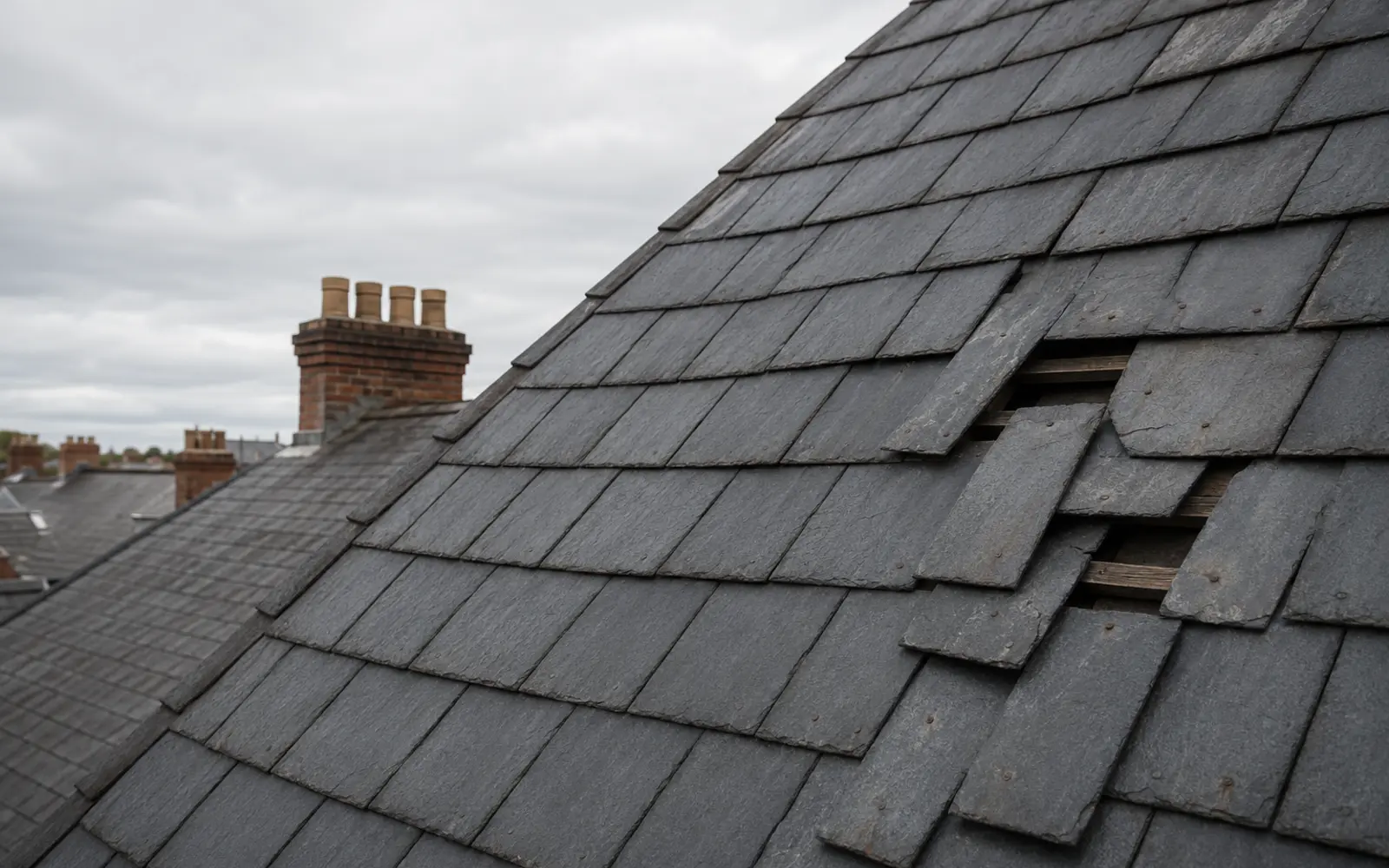
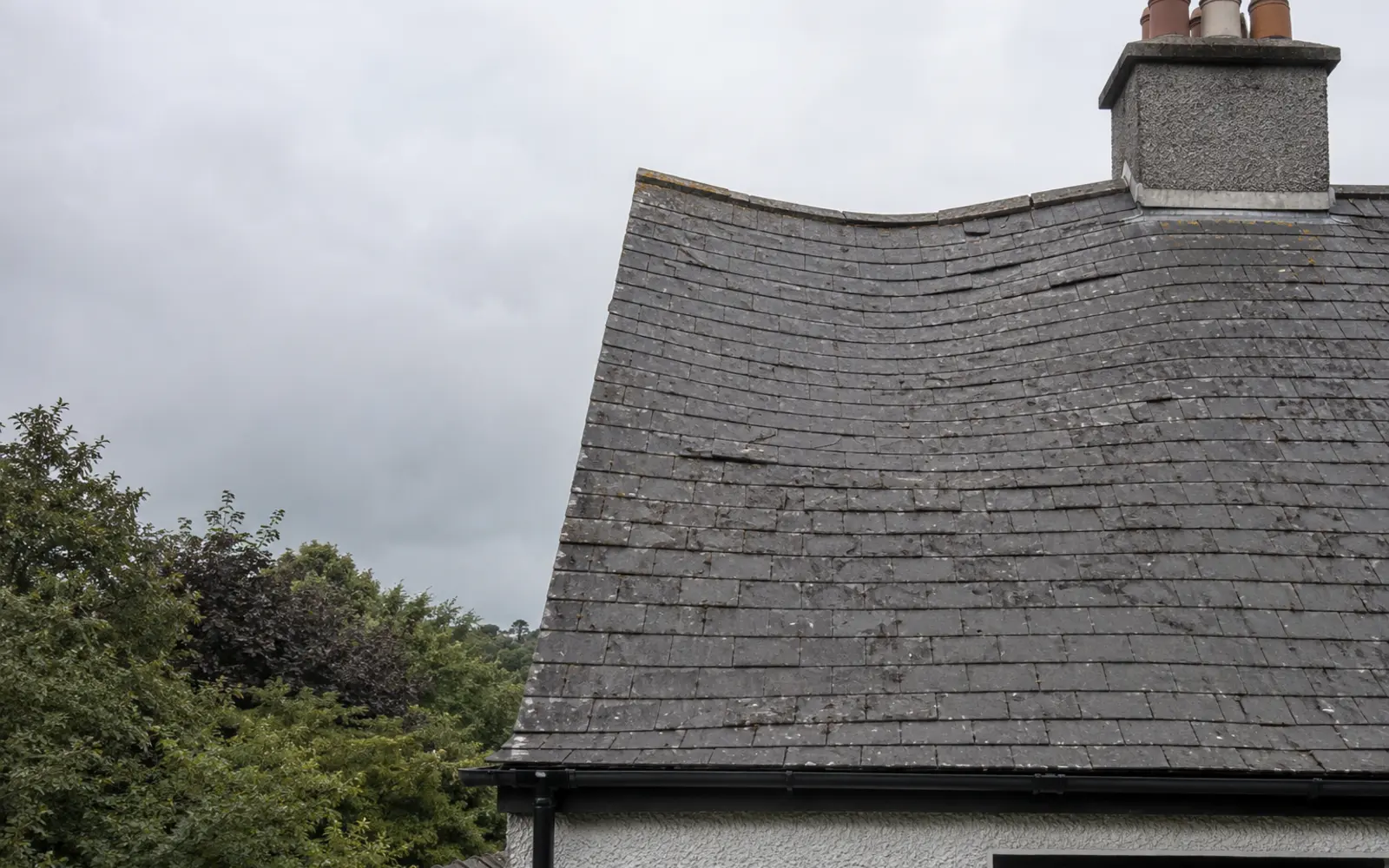
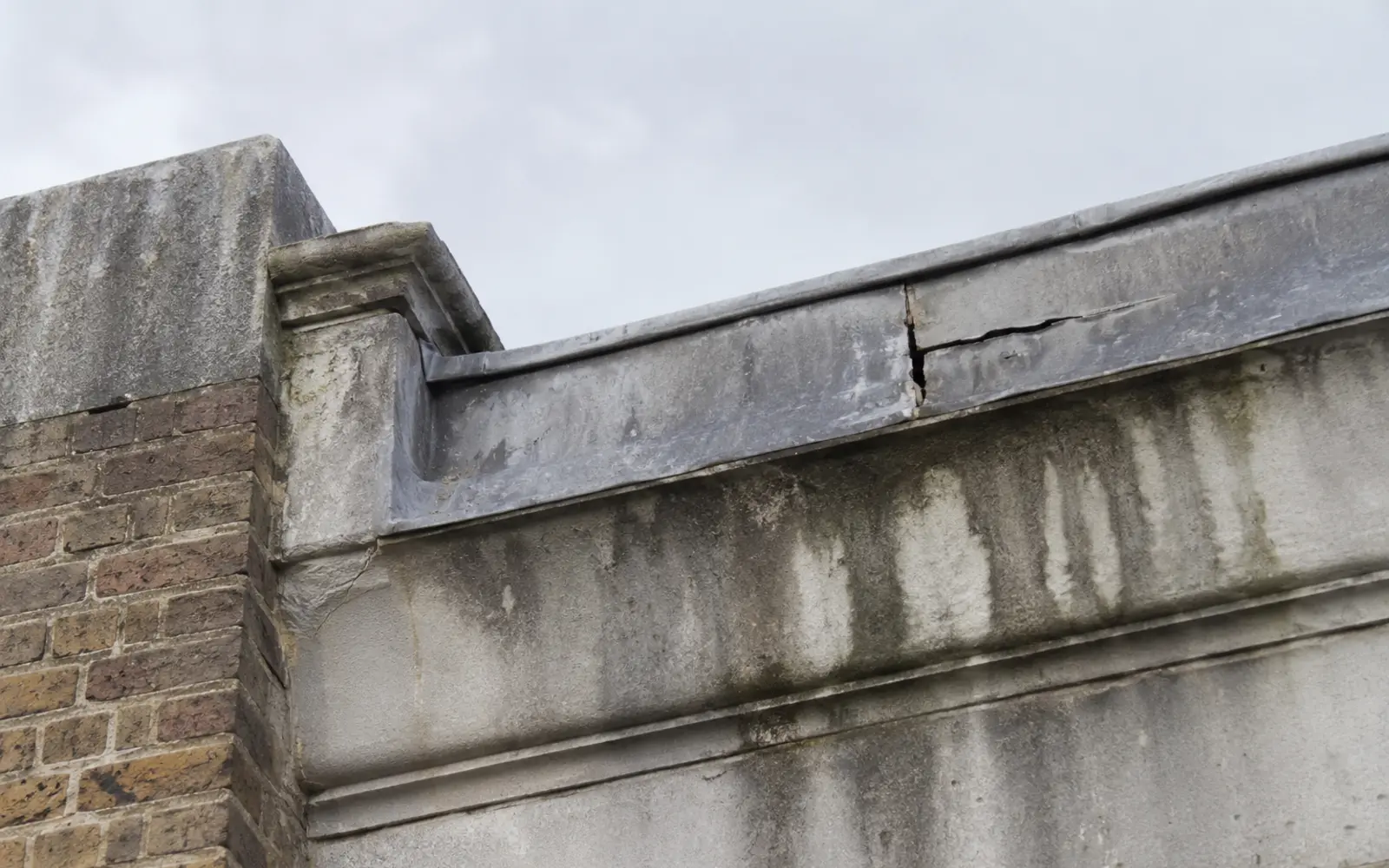
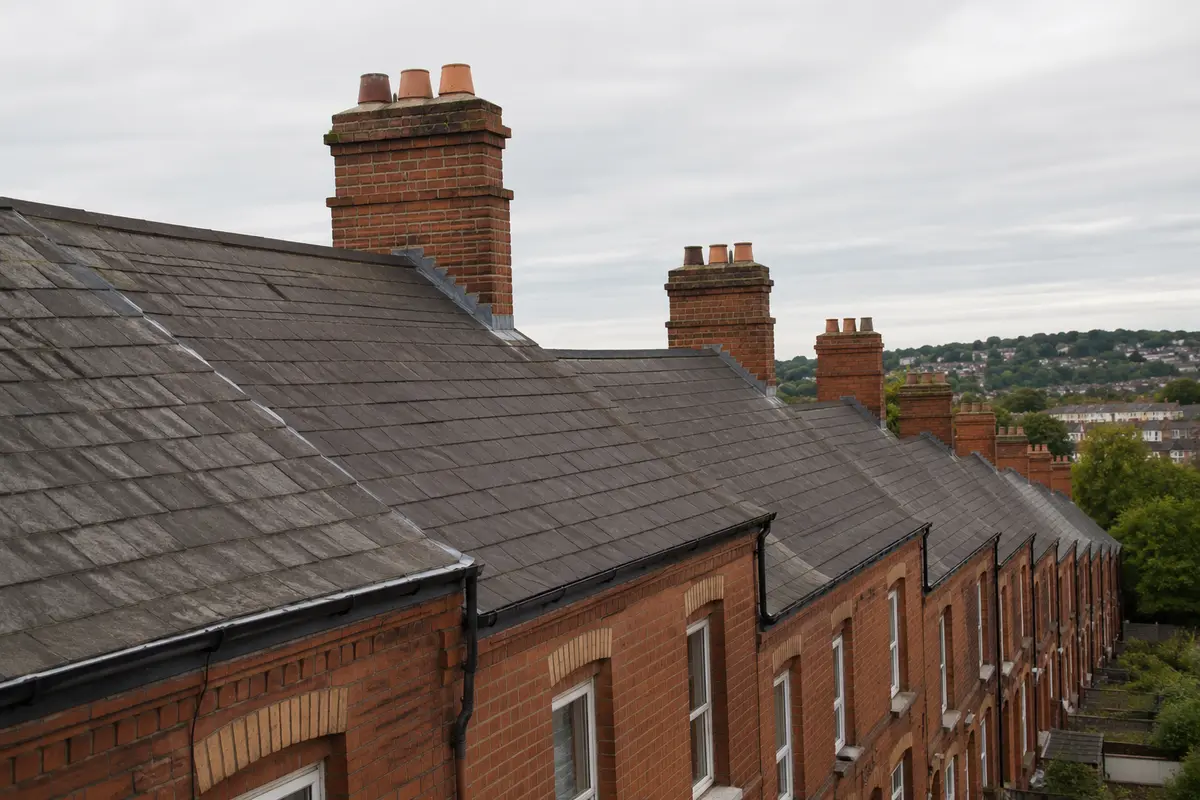
The clearest signs are on the roof itself. Slates slipping or missing across the whole roof, rather than in one patch, points to nail sickness and failed fixings. A dip or a wave along the ridge line suggests tired timbers underneath. Cracked or crumbling chimney stacks, loose pots and lifted lead flashing all let water in around the stack. On a Georgian house, look instead at the parapet: staining down the brickwork or a gutter that is clearly holding water is the parapet lining starting to fail.
- Slates slipping or dropping across the whole roof, not just one area.
- A visible dip or wave in the ridge or the slate line.
- Perished mortar, cracked flaunching or leaning chimney stacks.
- Lifted or split lead at the valleys, abutments and parapets.
The Signs That Show Up Inside
Some of the most important warnings are inside the house, not on the roof. A brown damp stain on a top-floor ceiling, high on a party wall or along a cornice is usually the roof rather than condensation, and on a period home it most often traces back to the lead work, a valley or a run of slipped slates above. In the attic, daylight through the roof, damp or soft timber, and slates you can see have slipped are all telling you the same thing.
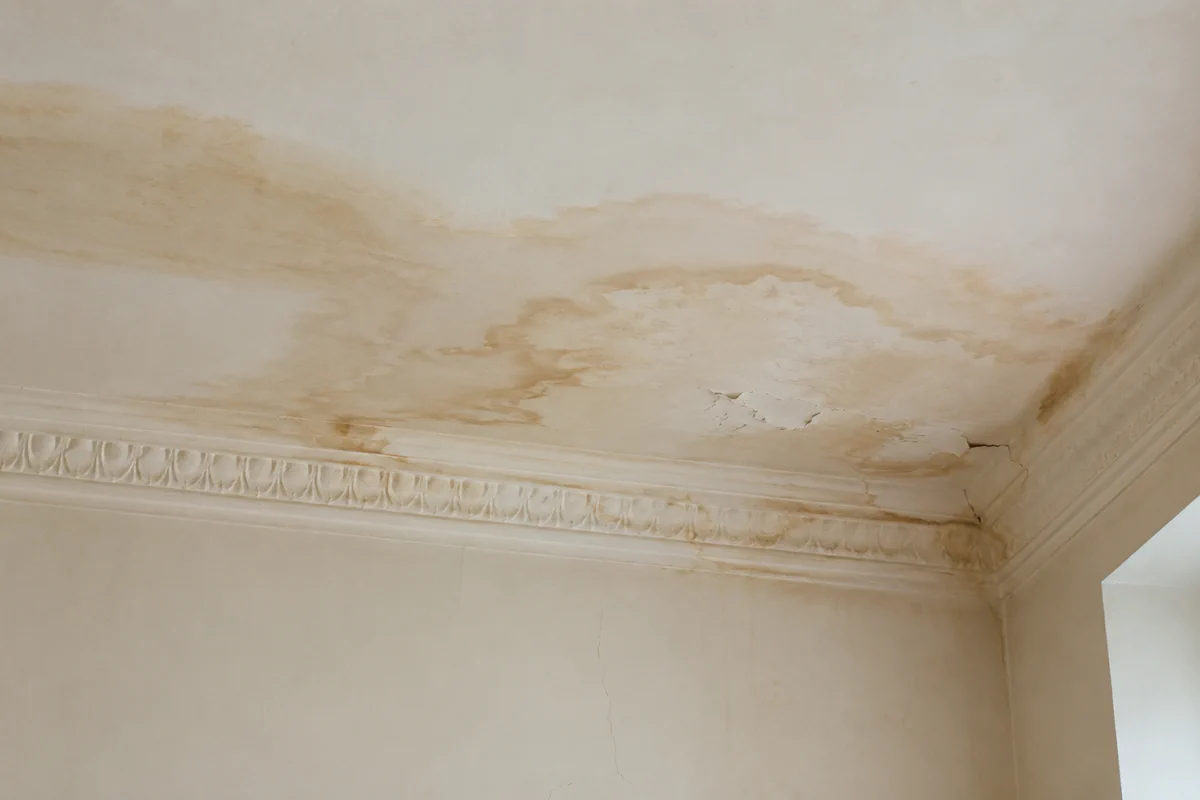
These interior signs matter because they mean water has already been getting in, and water sitting on a hundred-year-old timber does not wait. A stain that has appeared and grown over a winter is worth acting on before the next one.
Repair, or a Full Restoration?
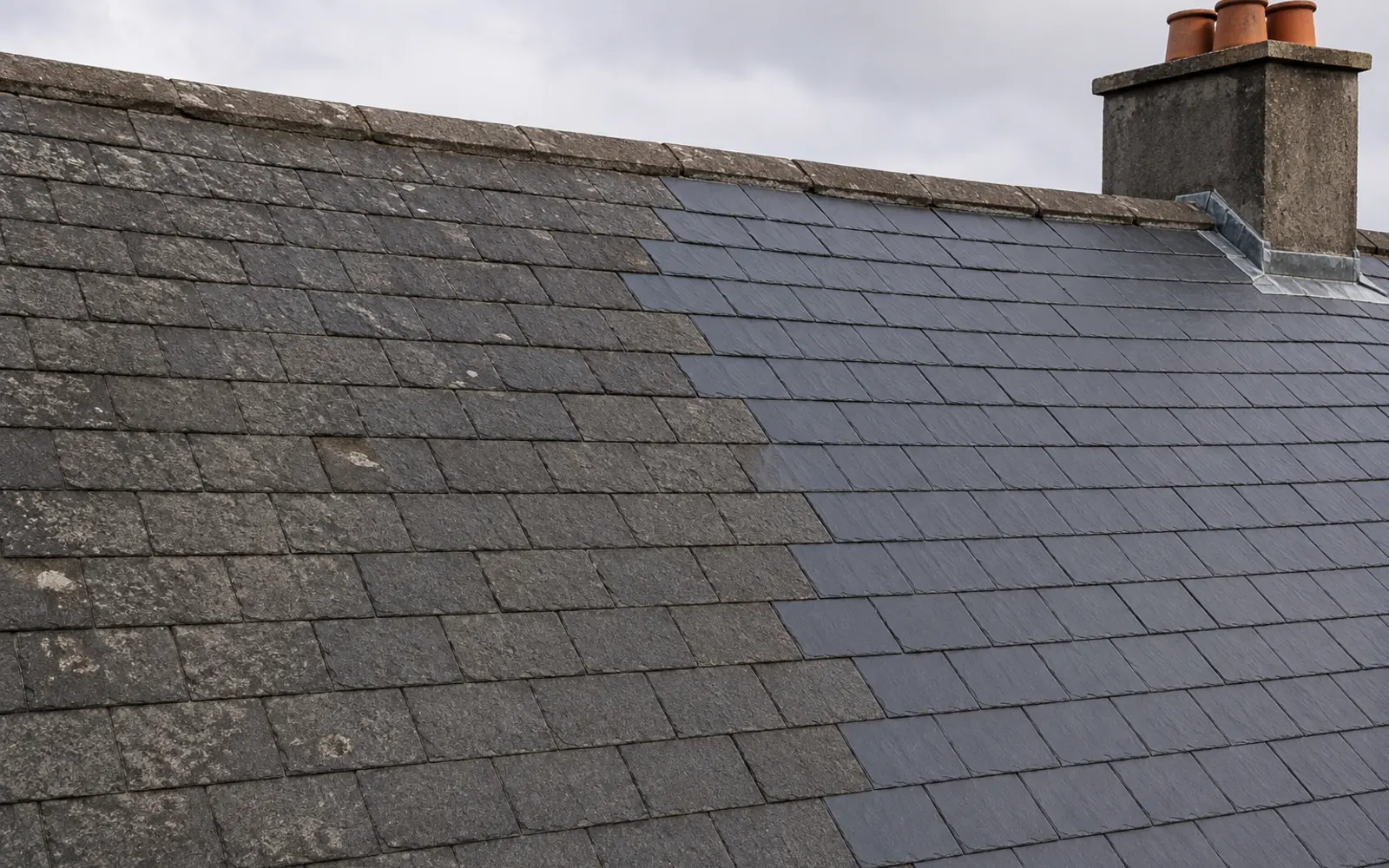
Not every one of these signs means a full re-roof. Where the covering is broadly sound and the problem traces to a single fault, a lifted valley, a run of slipped slates, a tired stack, a careful repair is the right call and it will hold. Where the fixings have gone across the whole roof, the lead is perished throughout, or the timbers are tired, repeated repairs stop making sense and a restoration works out better value over a few years.
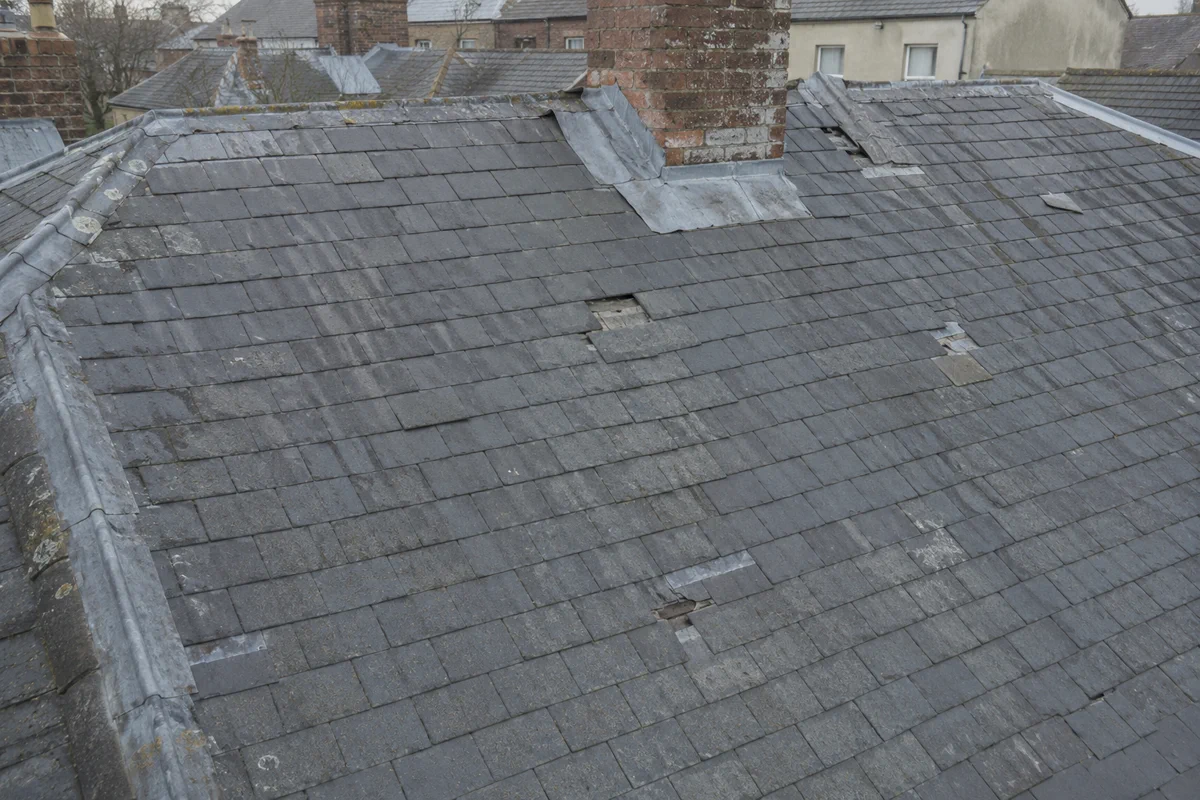
The honest way to tell which one you are looking at is a proper inspection, inside and out. On a free look we trace the real source of the problem rather than the nearest stain, and tell you plainly whether your roof needs a repair or a restoration, with a written price for whichever it is.