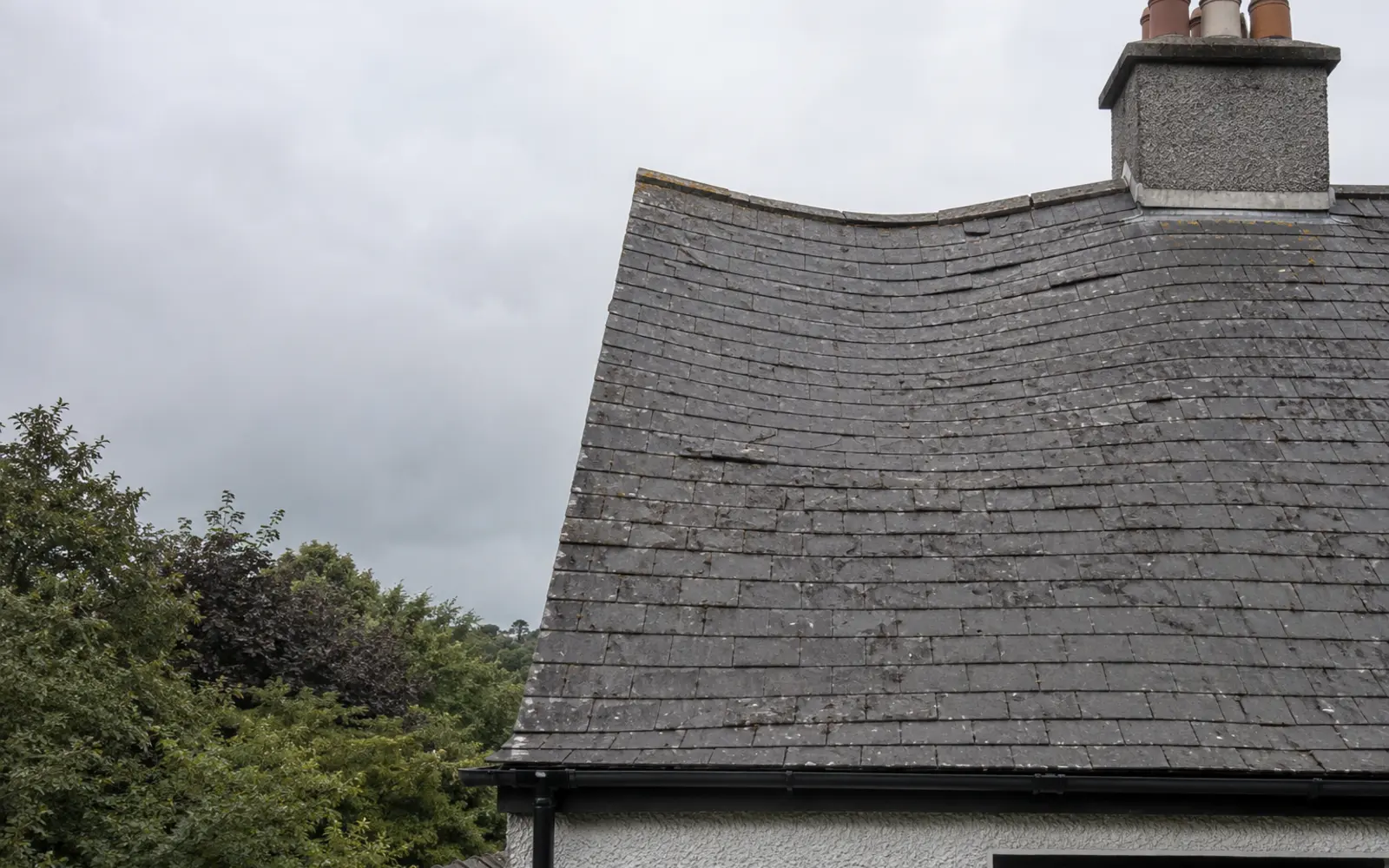
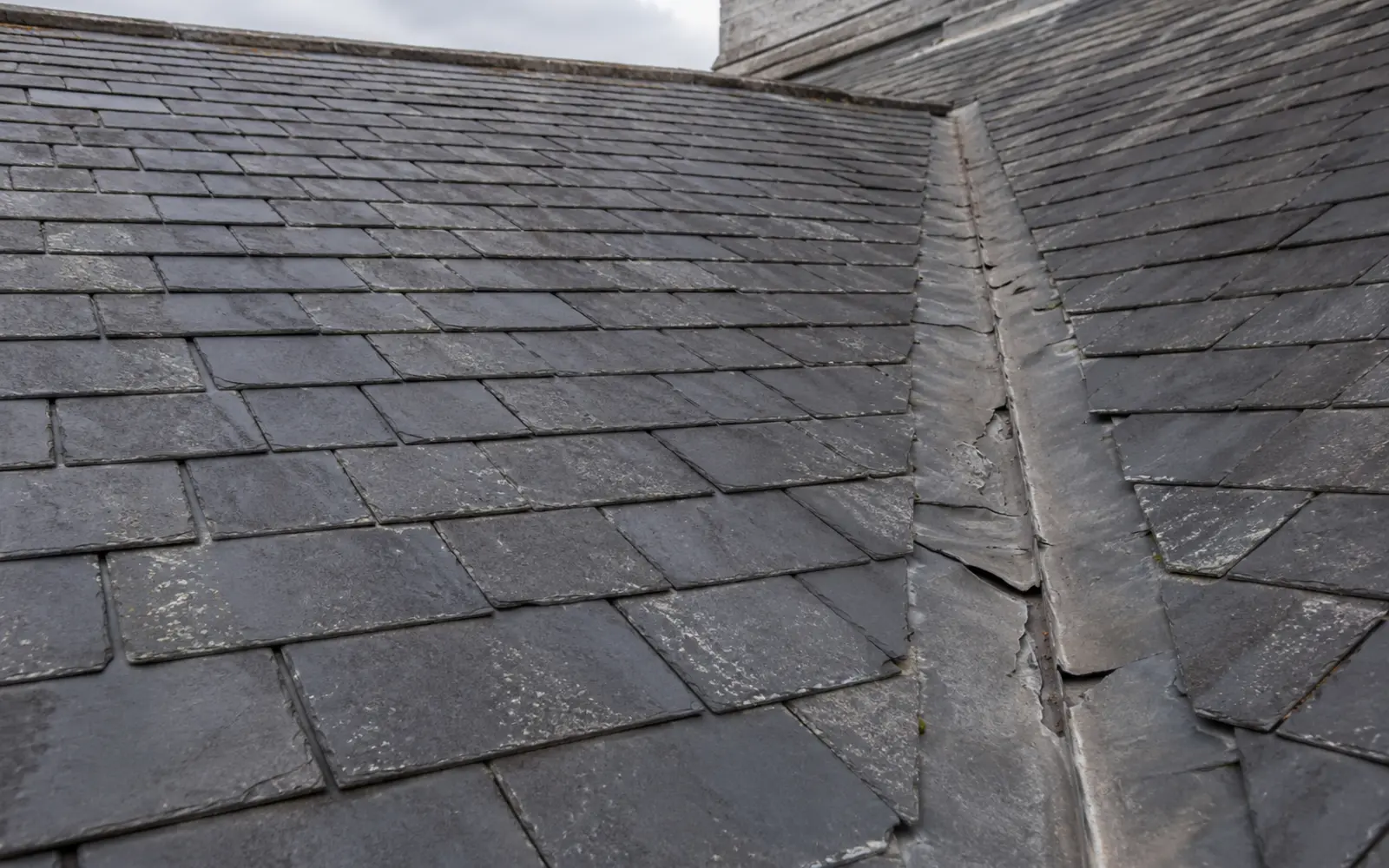
Slipped slates on an old Dublin slate roof caused by nail sickness
Heritage & Period · Dublin

Nail Sickness: Why Old Slate Roofs in Dublin Start Slipping

The most common reason a period slate roof finally gives up, why re-nailing the odd slate never lasts, and what a proper fix looks like on a Dublin terrace.

Last updated: August 2026

If the slates on your Victorian or Edwardian roof have started sliding and dropping, the cause is almost always nail sickness. It is the single most common reason a period slate roof in Dublin reaches the end of its life, and it is worth understanding before you pay to have the same slate put back twice.

What Nail Sickness Actually Is

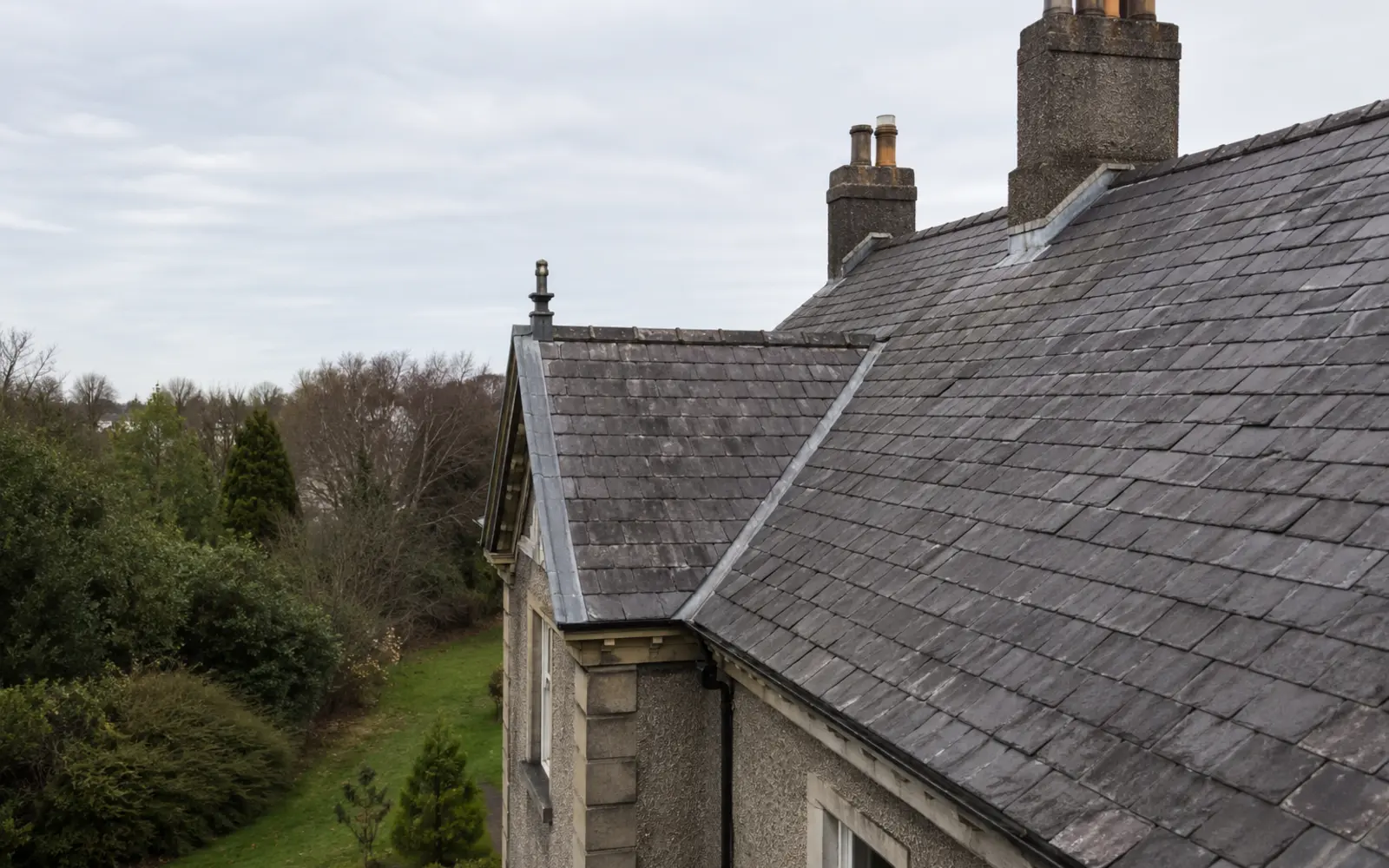
A traditional slate roof does not rely on the slate to hold itself up. Each slate hangs from two nails driven into the batten behind it, and on a Victorian or Edwardian roof those nails were iron. Iron rusts, and after a hundred Irish winters of damp getting at them the nails corrode through and lose their grip. The slate is often still perfectly sound, but with nothing holding it, it slides down the roof and drops. That is nail sickness, and once it starts on one part of the roof the nails everywhere else are the same age and heading the same way.

You usually see it before you understand it: a slate or two on the path after a windy night, a gap on the roof, then another a few weeks later somewhere else entirely. That pattern, slates going one at a time across the whole roof rather than in a single damaged patch, is the tell that it is the fixings failing and not a one-off.
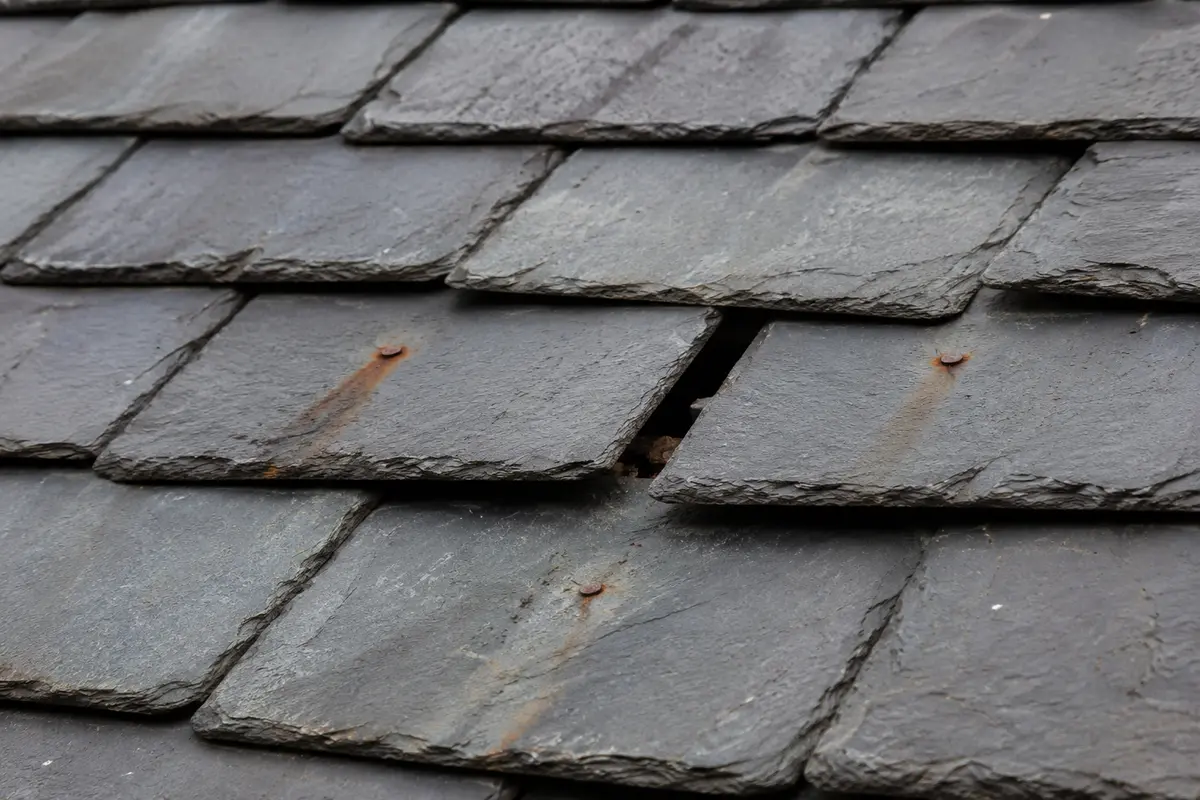
Slates slipped out of line on a Victorian Dublin roof from failed nails
Slates slip when the old iron nails rust through, not because the slate itself has failed.

Why Re-Nailing the Odd Slate Never Holds

The tempting fix is to have a roofer put the fallen slate back and move on. On a roof with nail sickness that buys a season at most, because the nails holding the slates on either side of the repair are just as rusted and just as close to letting go. You end up paying for the same roof over and over, a slate here, a slate there, every time the wind gets up, and the running total quietly climbs past what a proper job would have cost.
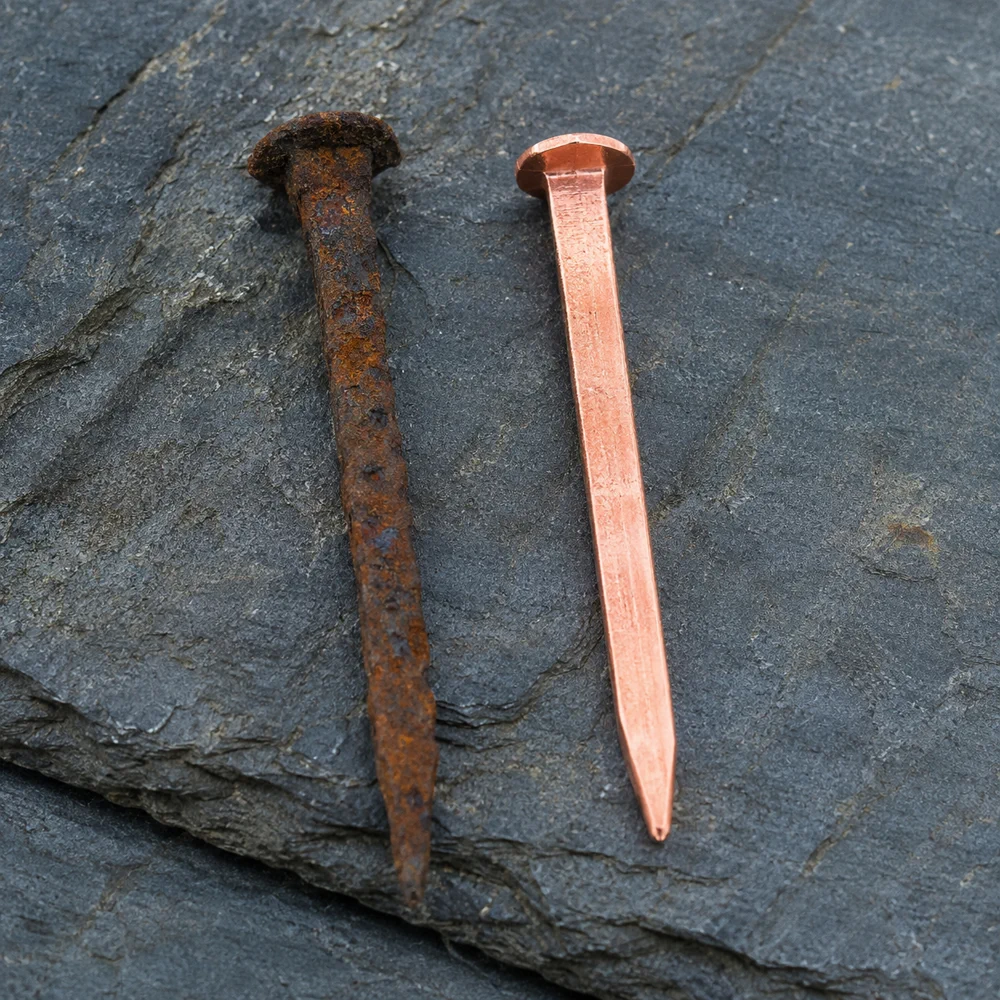
A rusted Victorian iron roof nail beside a new copper nail
The whole problem in one picture: the original iron nail after a century, beside its copper replacement.

Worse, every slipped slate leaves a gap, and on a period roof with no felt behind the slate that gap is a clear run for wind-driven rain onto the timbers. Left long enough, a fixings problem on the outside becomes a rot problem on the inside, which is a far bigger bill than the roof you started with.

The Honest Fix: A Re-Roof on New Nails

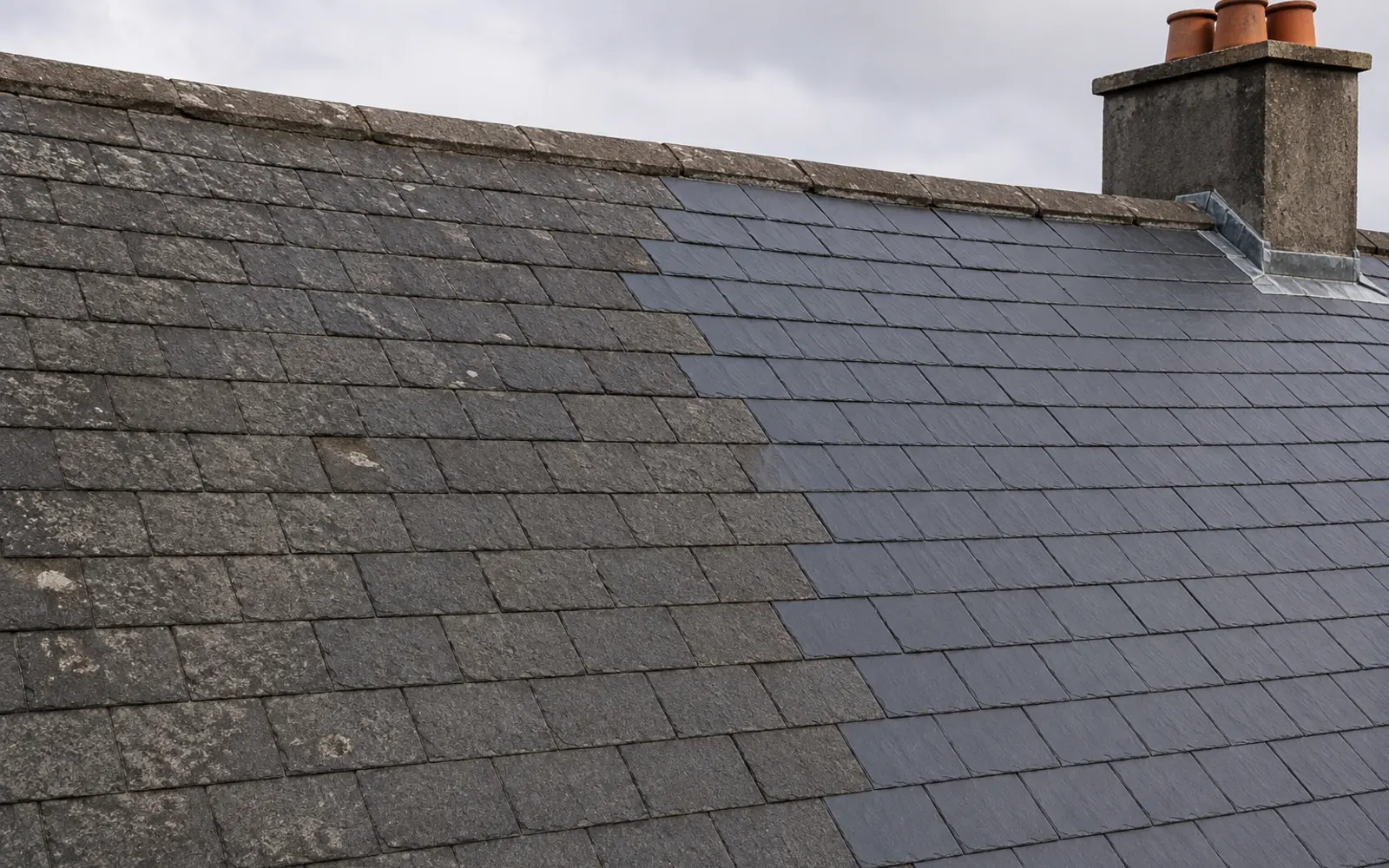
Where nail sickness has taken hold across the whole roof, the honest answer is a re-roof: the slate comes off, and it goes back on new non-corroding nails that will not rust the way the originals did. It sounds bigger than a repair, and up front it is, but it is the last time you pay for that roof for decades rather than every winter.

  • Sound original slate is saved and reused where it matters most, usually the front of the house.
  • New copper or stainless nails replace the failed iron, so the fixings outlast the slate.
  • A breathable underlay goes on, giving the roof the second line of defence it never had.
  • The timbers are checked while they are exposed, and any tired batten or rafter is put right.
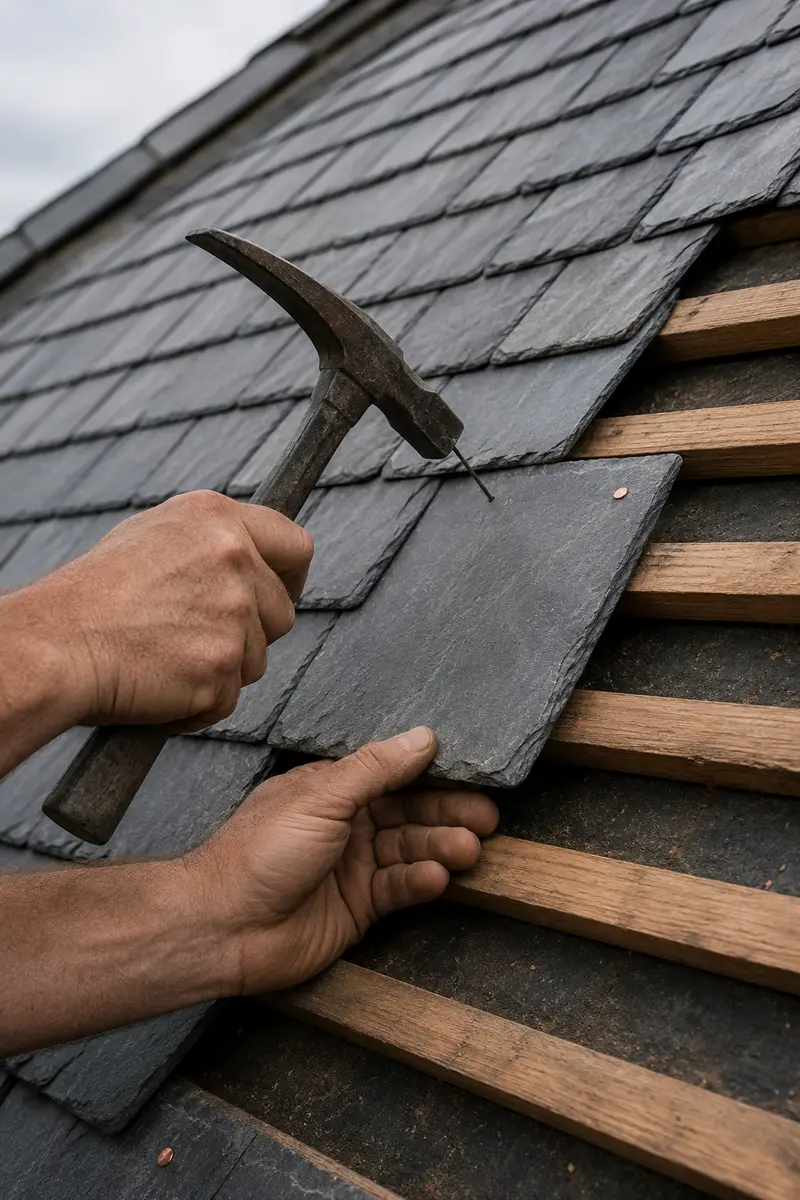
A roofer re-hanging natural slate on new copper nails on a Dublin period roof
Re-hung on new copper or stainless nails, the fixings outlast the slate.

The only way to know whether your roof needs a full re-roof or has some life left in a careful repair is a proper look. On a free inspection we can tell you honestly which one you are looking at, and give you a written figure either way.
Nail Sickness Questions, Answered

How do I know if my roof has nail sickness?
The classic sign is slates slipping one at a time across the whole roof rather than in one damaged area. If you are picking up the odd slate after windy nights and the gaps keep appearing in different places, the fixings are failing rather than the slate, and that is nail sickness.
Can you just re-nail the slates that have slipped?
You can, but on a roof with nail sickness it rarely lasts, because the nails holding the slates around the repair are the same age and rusting through too. It usually works out cheaper to re-roof once than to keep paying for repairs every winter.
Is the slate itself still good?
Very often, yes. Natural slate can last well over a hundred years, so on many period roofs the slate is sound and it is only the iron nails that have failed. That is why we save and reuse good original slate on a re-roof wherever we can.
How much does it cost to fix nail sickness in Dublin?
A re-roof is priced on the size of the roof, the access and the amount of slate and lead involved, so it is measured on the day rather than guessed. We give a written figure after a free inspection, and you can see guide prices on our roofing costs page.
Reviews

What Dublin Homeowners and Businesses Say

We have never asked anyone for a review, and we have never taken one down. Our perfect 5.0 rating from 41 Google reviews is simply what people wrote once the job was finished, tidied and paid for.

5.0
★★★★★
Rated on Google · 41 reviews
Read all reviews
★★★★★

“I had The Roofing Academy inspect my roof, and their report was so thorough. They explained the issues and suggested solutions without pressuring me into anything.”

L
Liam Collins
Verified Google review
★★★★★

“Our house is over 40 years old, and the guttering hadn’t been replaced in decades. Roofing Acadamy showed us exactly what was wrong using drone footage very impressive! They replaced the entire system with new uPVC and ensured the downpipes flowed properly. The difference in rainwater drainage is huge. No more puddles around the foundation.”

J
Jack Collins
Verified Google review
★★★★★

“"Super impressed with Acadamy roofing work. They replaced our entire roof in under a week and even cleaned up thoroughly afterwards. No hidden costs, no delays—just solid work.”

J
Jamie Brown
Verified Google review

Restore Your Period Roof, Properly

Victorian, Edwardian and Georgian roofs brought back in natural slate and lead, matched to the character of the house. Arrange a considered assessment with a family-run Dublin specialist who has worked these roofs since 1989.

  • Natural slate, lead and period detailing
  • Matched to the character of the house
  • On Dublin’s period roofs since 1989

Rated 5.0 on Google from 41 reviews

Arrange your roof assessment

Send your details and we will come out to look over your period roof and talk through the options.

Thanks, we have your details

We will be in touch shortly.