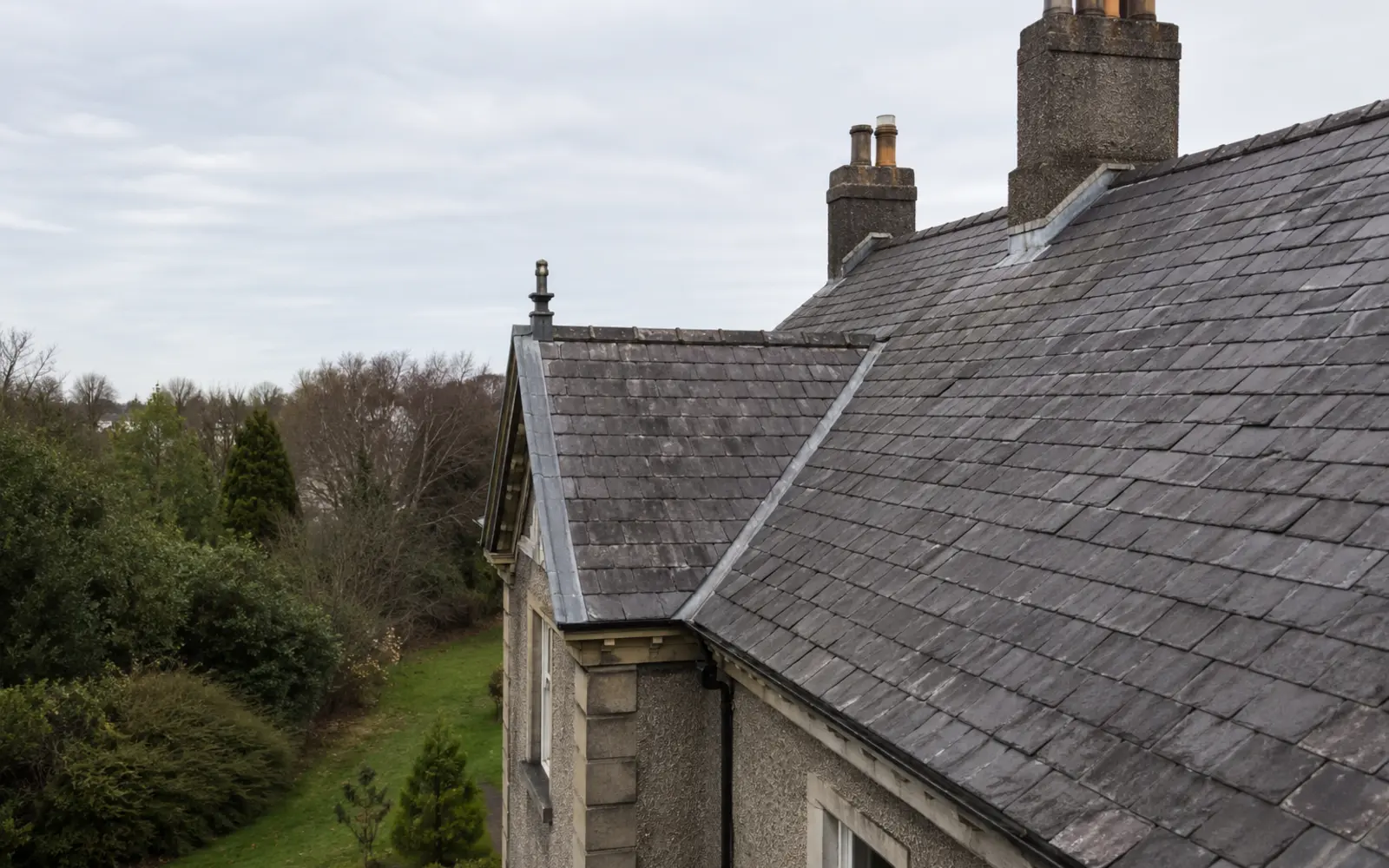
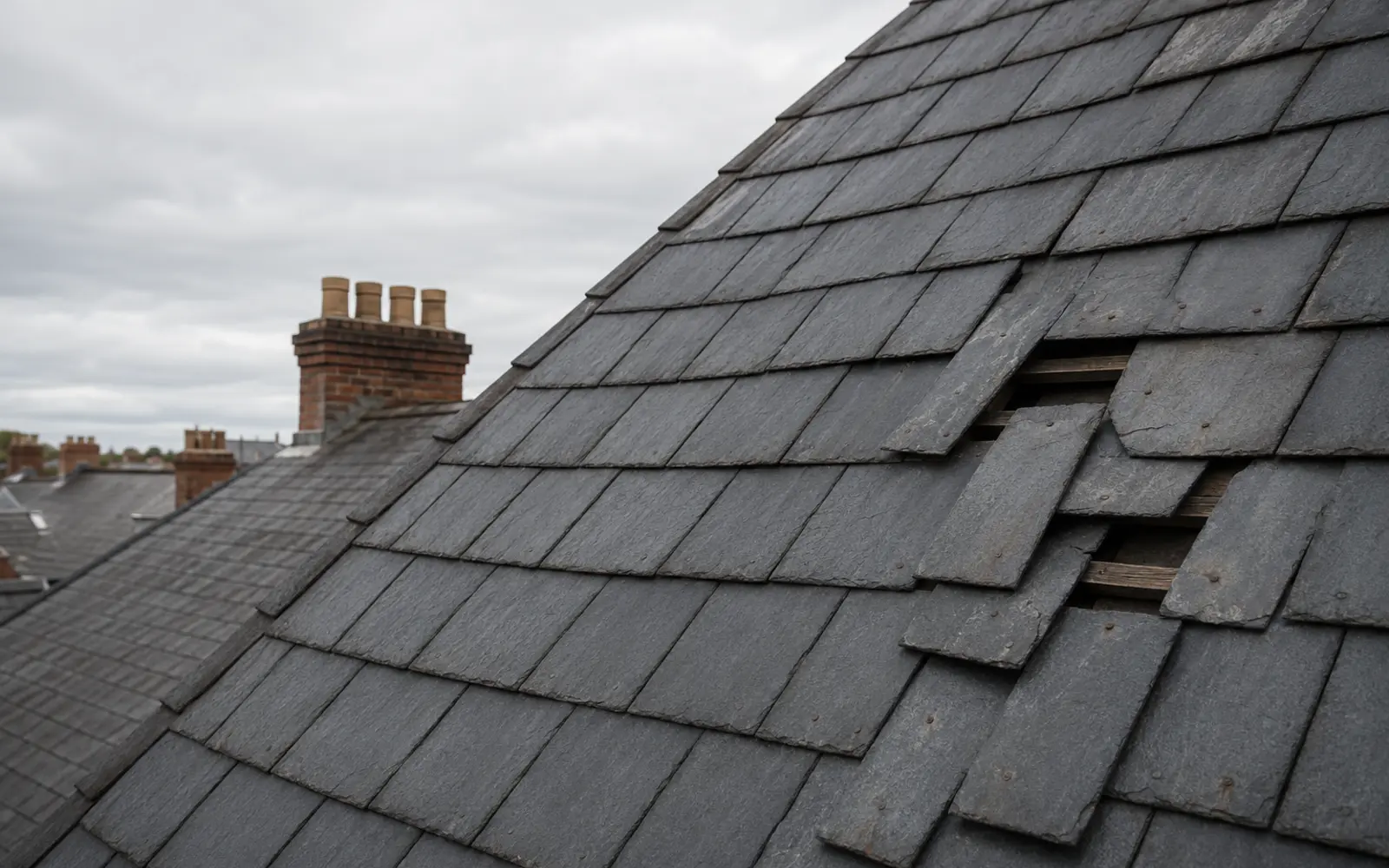
An old cracked lead valley between two period roof slopes in Dublin
Heritage & Period · Dublin

Lead Valley and Flashing Work on Period Roofs

A period roof is as much a lead roof as a slate one. Why the lead is where these roofs let go, and why hand-dressed lead outlasts a mastic patch every time.

Last updated: August 2026

Ask an experienced roofer where a Victorian or Georgian roof leaks and they will point at the lead before the slate. The valleys, the flashing at the stacks and the abutments, and the parapet linings are all lead, and it is the lead that most often lets go first.

Why Lead Is the Heart of a Period Roof

On a period roof, lead does all the difficult work. It lines the valleys where two slopes meet, it flashes the joint where the slate meets a chimney stack or a wall, it dresses the parapets, and it seals every abutment the slate cannot cover on its own. Slate sheds water off the open roof, but every junction, every change of direction and every upstand relies on lead. Get the lead right and the roof stays dry for generations; get it wrong and it leaks no matter how good the slate is.

That is why we treat the lead as a craft in its own right rather than an afterthought. On a restoration the lead work is often the larger and more skilled part of the job, and it is the part a general roofer most often gets wrong.

How Old Lead Fails, and Why Mastic Is Not the Answer

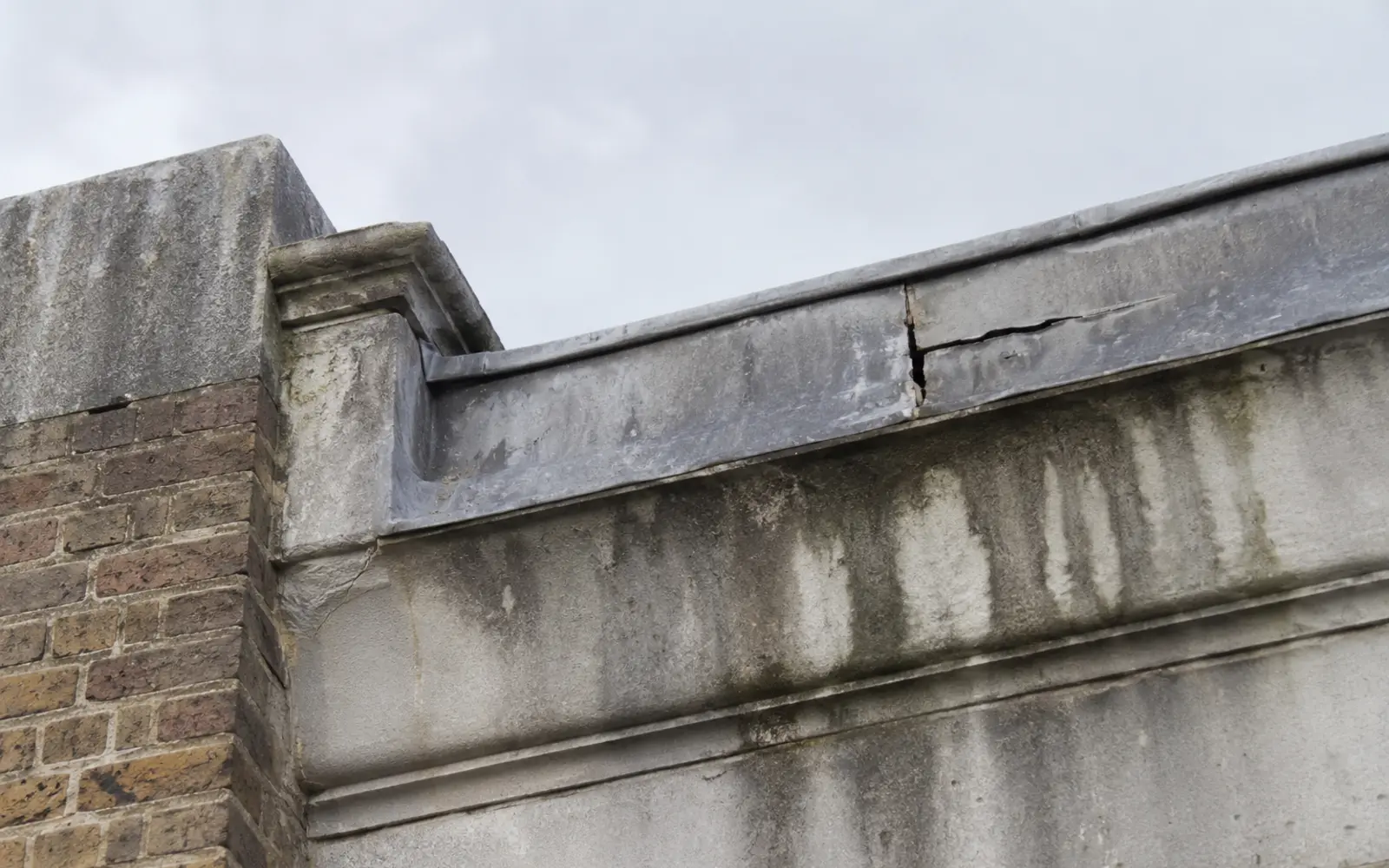
Lead expands and contracts with every warm day and cold night, and over decades that movement tells. Lead that was laid in lengths that are too long cracks along the line where it has been forced to move too far. Joints open, old lead work thins and splits, and previous repairs done in mastic or bitumen perish, lift and let water straight past. A bituminous patch over a cracked valley is the classic false economy: it looks like a fix for a season, then fails and often takes the surrounding slate with it.
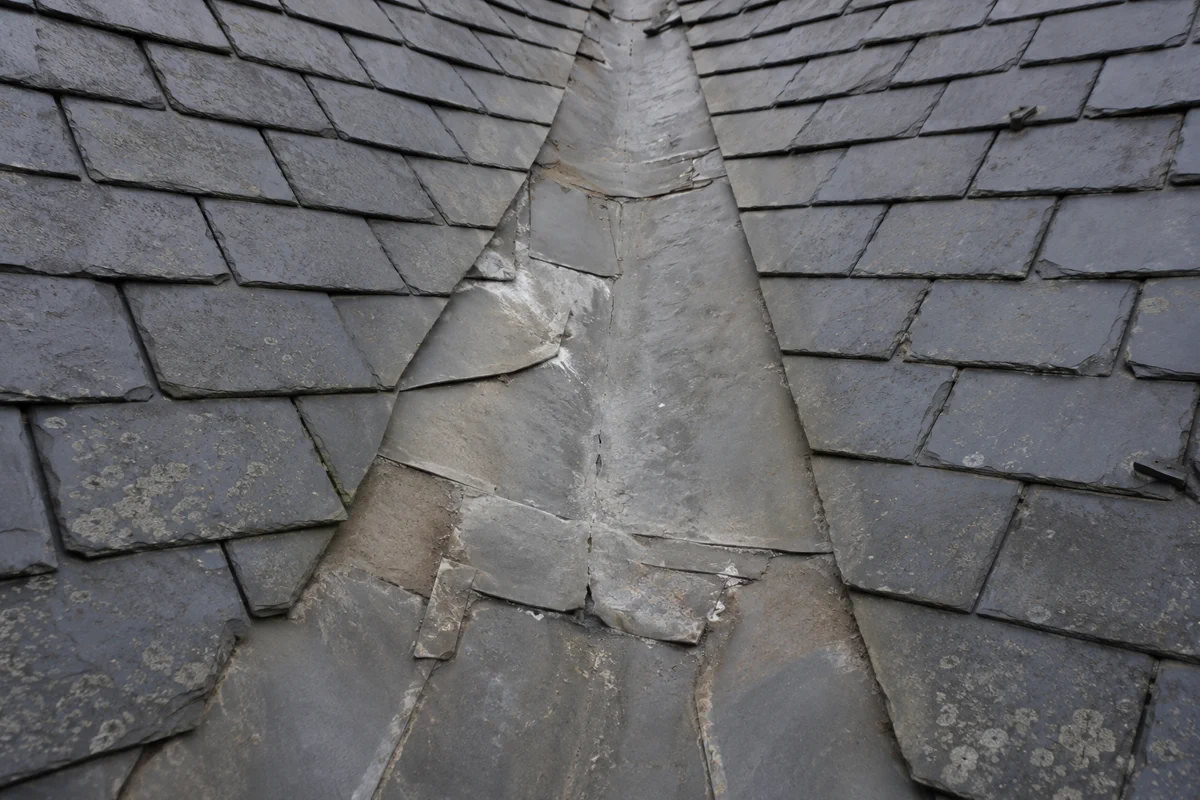
An old cracked lead valley on a Dublin period roof before re-lining
A century-old valley at the end of its life, cracked along the fold where the lead has fatigued.
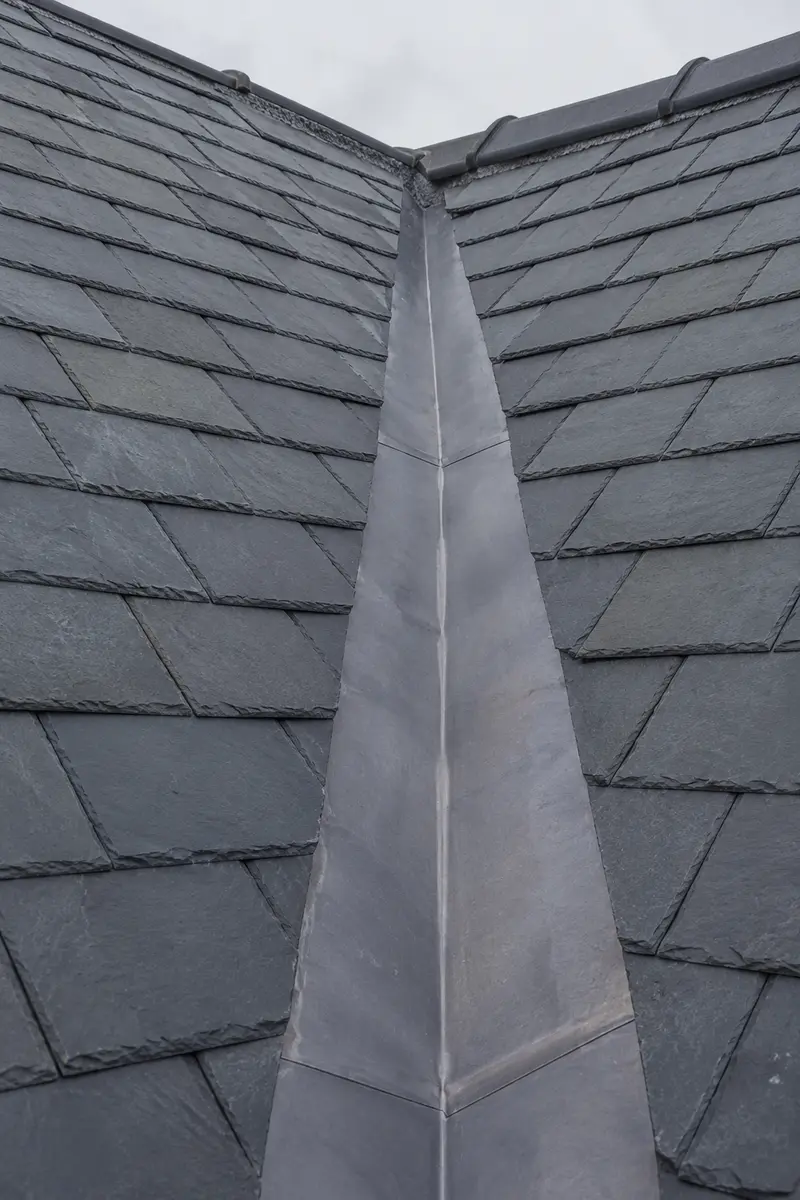
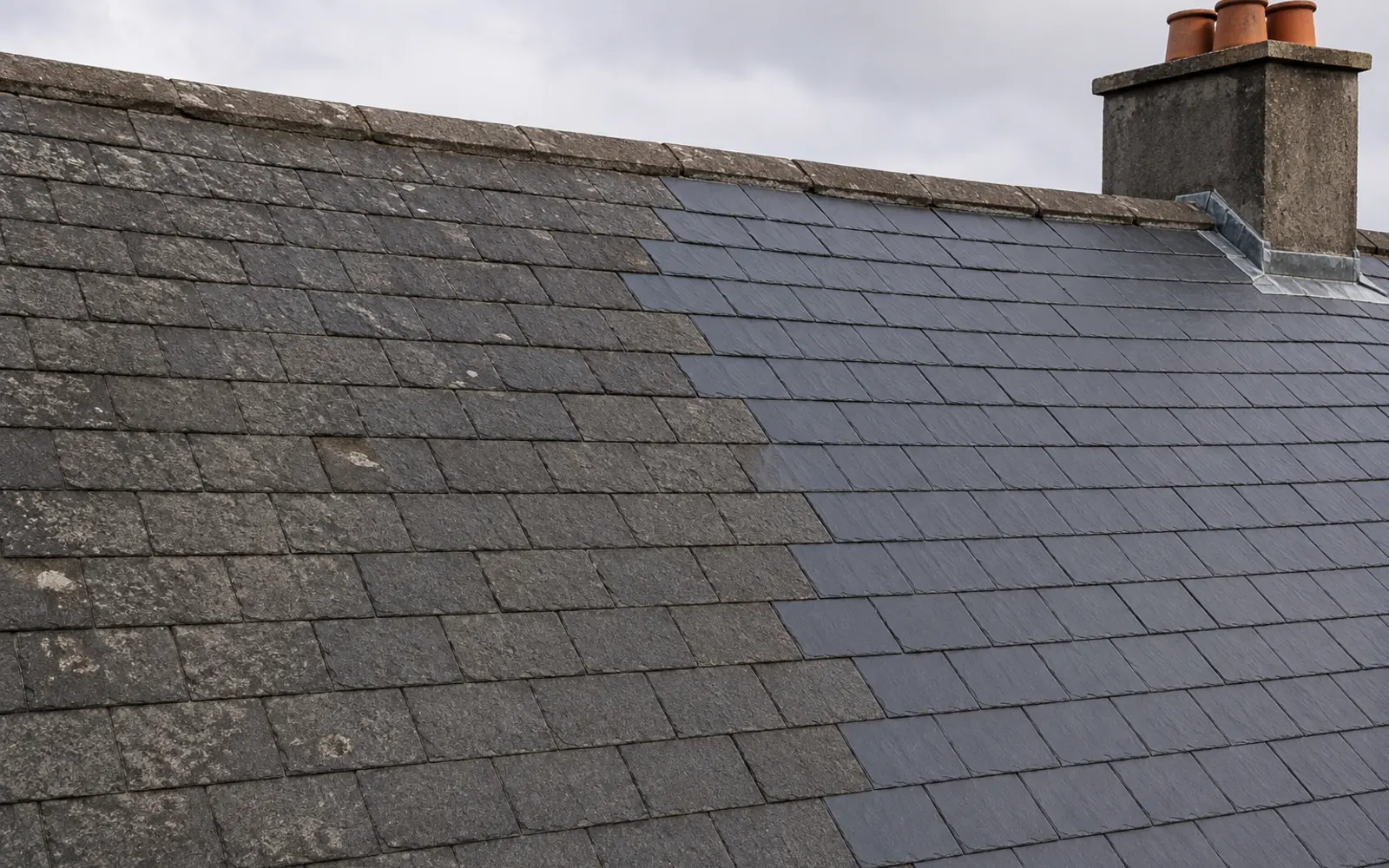
A crisp new lead valley dressed between two slate slopes on a Dublin period roof
A new lead valley, dressed and welted by hand in the right code and lengths, is watertight for decades.

How Lead Work Is Done Right

Proper lead work means the right code of lead for the job, laid in the correct lengths so it can move without cracking, dressed and bossed to shape by hand rather than sealed with mastic, and welted and lapped at the joints the traditional way. A valley is formed so it carries the water cleanly to the outlet; flashing at a stack is stepped into the brickwork and dressed down over the slate; a parapet is capped and lined so nothing tracks behind it. Done this way, the lead outlasts almost everything else on the roof.

If your roof has cracked or patched lead at the valleys, stacks or parapets, a free inspection will tell you what needs renewing and give you a written price for doing it properly.
Lead Work Questions, Answered

Why does my roof leak at the valley or the chimney?
Because those are the lead junctions, and lead is usually the first thing to fail on a period roof. Cracked valley lead, split flashing at a stack, or perished old repairs let water in at the joints even when the slate around them is sound.
Can you not just seal the lead with mastic?
A mastic or bitumen patch over cracked lead is a short-term fix that perishes and lifts, often within a year or two, and it can take the surrounding slate with it. The lasting answer is to renew the lead properly, dressed by hand in the correct lengths.
How long does lead work last?
Lead that is laid correctly, in the right code and lengths and dressed by hand, lasts for generations. It is badly-laid or patched lead that fails early, which is why the way it is done matters as much as the material.
How much does lead valley or flashing work cost in Dublin?
It depends on the amount of lead and the access, so it is measured on the day. Renewing a valley or a run of flashing is a contained job; re-leading a whole roof is more. We give a written figure after a free inspection.
Reviews

What Dublin Homeowners and Businesses Say

We have never asked anyone for a review, and we have never taken one down. Our perfect 5.0 rating from 41 Google reviews is simply what people wrote once the job was finished, tidied and paid for.

5.0
★★★★★
Rated on Google · 41 reviews
Read all reviews
★★★★★

“Great company to work with! The Roofing Academy fixed a leak in my roof quickly and professionally. I will definitely call them for any future roofing needs.”

A
Alvaro Cannon
Verified Google review
★★★★★

“The Roofing Academy went above and beyond. They fixed my roof and even helped me understand how to maintain it to prevent future issues. Excellent service.”

C
Cillian McDermott
Verified Google review
★★★★★

“The Roofing Academy is by far the best roofing service I’ve ever used. They fixed a leak and installed a new roof on time and within budget. Highly recommend them”

E
Ellie Kelly
Verified Google review

Restore Your Period Roof, Properly

Victorian, Edwardian and Georgian roofs brought back in natural slate and lead, matched to the character of the house. Arrange a considered assessment with a family-run Dublin specialist who has worked these roofs since 1989.

  • Natural slate, lead and period detailing
  • Matched to the character of the house
  • On Dublin’s period roofs since 1989

Rated 5.0 on Google from 41 reviews

Arrange your roof assessment

Send your details and we will come out to look over your period roof and talk through the options.

Thanks, we have your details

We will be in touch shortly.