
Roofers in Clontarf, from the Coast Road to the Howth Road
Seafront Edwardian red-bricks take the bay weather head-on. Slate re-hung, salt-worn lead renewed and stacks put right by a family-run Dublin roofer working these avenues since 1989.
Your Local Roofers on the Clontarf Seafront
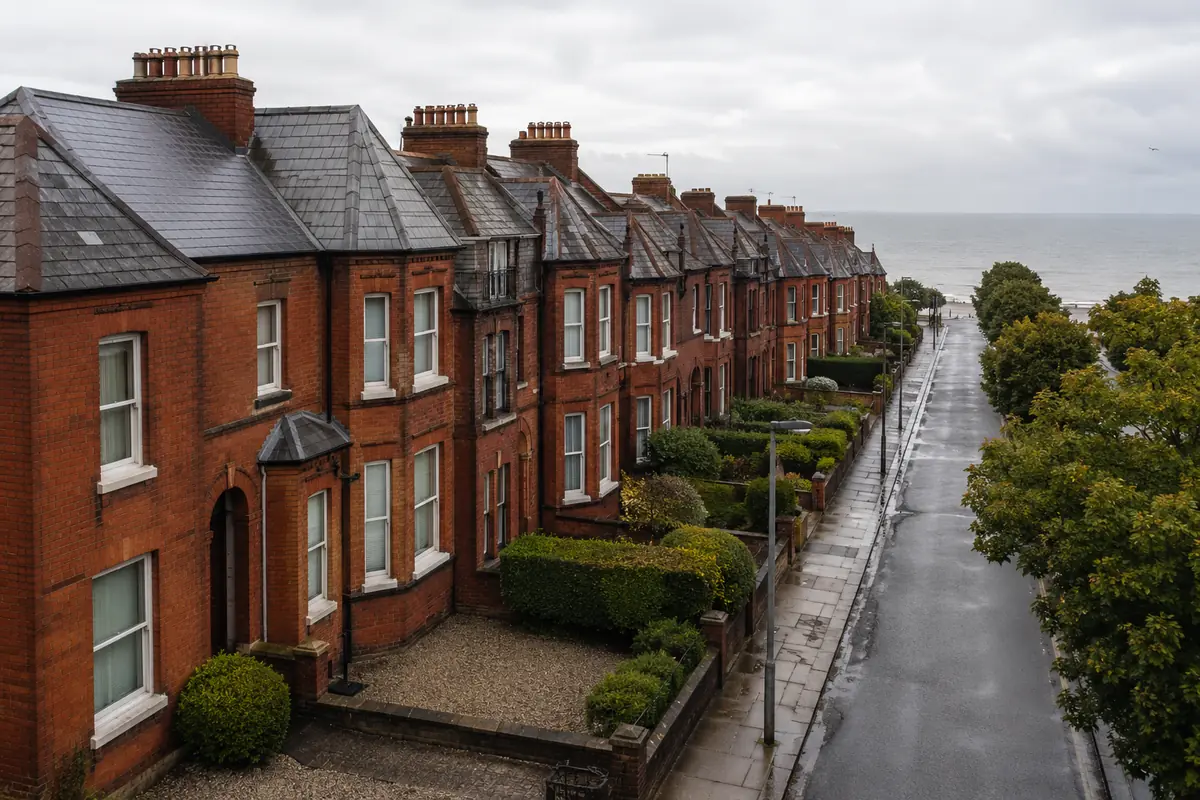
Roofers in Clontarf have to understand the bay before they understand the house. The Edwardian red-bricks along St Lawrence’s Road, Hollybrook Road and Kincora Road are among the finest on the northside, built with bay fronts, hipped natural-slate roofs, decorative clay ridge and generous brick stacks, and the ones facing the Coast Road stand with nothing between them and open water.
That exposure changes the job. A roof here ages faster at the fixings and the lead than the same roof would in Drumcondra, so slates lift in the wind, nails go brittle with salt, and cast-iron gutters rust through at the joints. We have worked these avenues for decades, and every call starts the same way, with a free inspection that looks at the whole sea-facing slope rather than the one gap you spotted from the garden.
Edwardian Red-Brick, Built Grand and Built Exposed
Clontarf filled out in the Edwardian years as a seaside suburb for people who wanted room and a view, and the housing shows the ambition. Wide avenues of two- and three-storey red-brick, bay windows front and often side, hipped roofs in good natural slate, ornamental ridge along the top and paired stacks shared with the neighbour. Behind the seafront, the roads around Vernon Avenue and Castle Avenue mix those period homes with solid interwar semis, and out at Dollymount the houses face the strand directly.
None of it was built with salt air in mind, because nobody built for that in 1905. The slate has lasted beautifully, but the iron nails, the lead and the cast-iron rainwater goods have all taken a century of sea weather. Restoring a Clontarf roof means keeping the slate and the character while renewing everything that holds them up, in copper or stainless fixings, fresh lead and sound mortar. Much of it is the same craft we bring to period roof restoration across Dublin, applied to a roof that works harder.
The Four Faults We Are Called to Most in Clontarf
Coastal roofs fail in their own way, and they fail earlier. Each of these is far cheaper caught before the winter finds it.
Slates Lifted by the Bay Wind
Nothing stands between the Coast Road and the open bay, so the north-easterly gets under the slate and works it loose. On the seafront runs we see whole courses skewed after a winter blow, where an inland roof of the same age would still be sitting tight.
Salt Eating the Lead and the Fixings
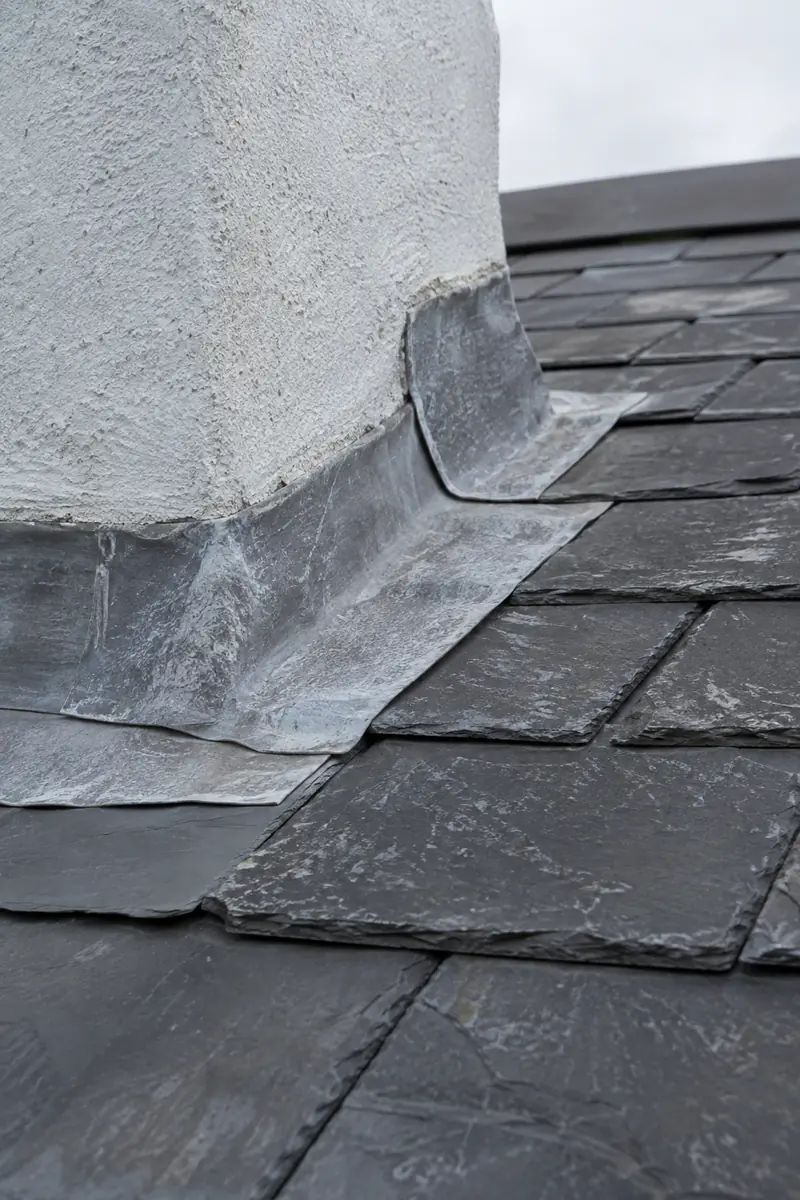
Salt in the air shortens the life of every metal on the roof. The lead around the stacks dulls and pits, and the nails holding the slate corrode years ahead of schedule, which is why nail sickness arrives sooner on Seafield Road than it does a mile inland.
Bay and Porch Roofs on the Red-Bricks
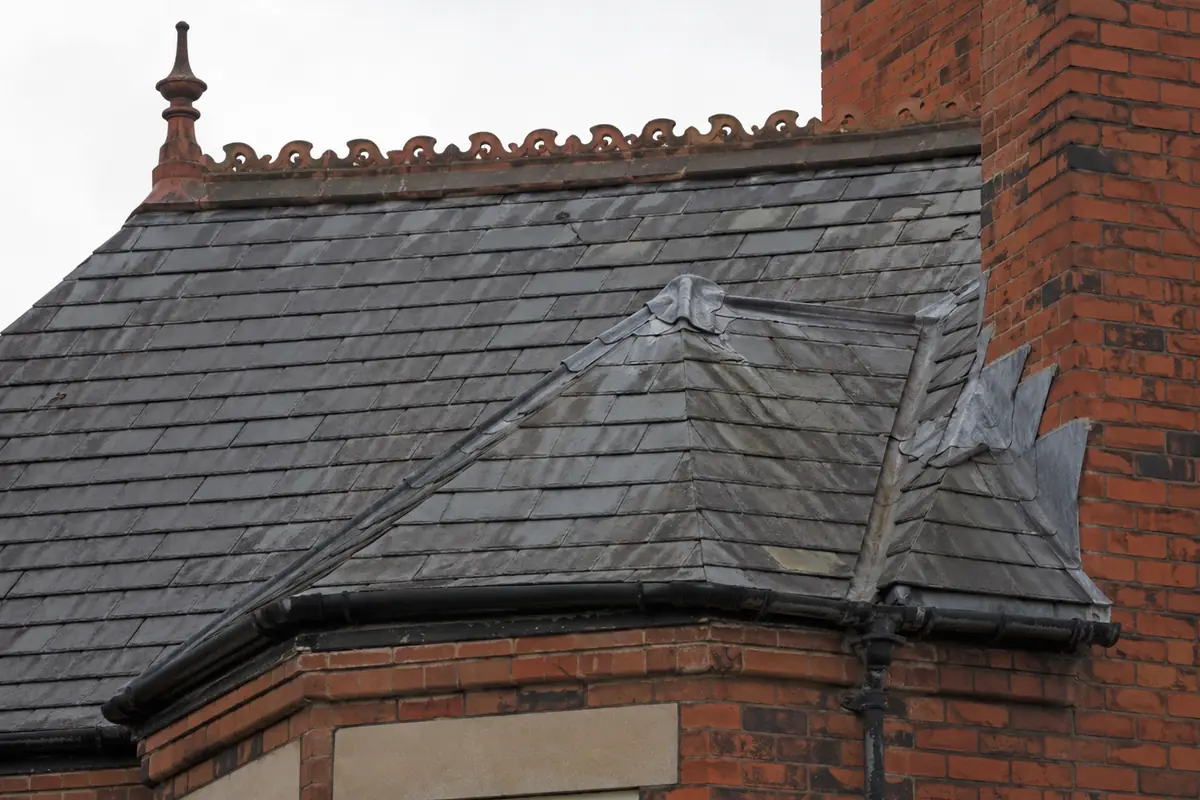
The handsome Edwardian bays along St Lawrence’s Road and Hollybrook Road each carry their own small slate roof and lead junction. Facing the weather head-on, they are usually the first part of a Clontarf roof to let water into the front bedroom.
Gutters and Hoppers Rusting Through
Cast-iron gutters, hoppers and brackets blister and rot fast in salt air, and once a joint fails the water runs down the brick instead of away from it. On the wide avenues off Castle Avenue this shows as staining on the facade long before anyone looks up.
Roofing Work We Take On Across Dublin 3
Whatever the roof needs, it opens with a free inspection and an honest answer on whether a repair holds or a bigger job is the better spend. Day to day that means roof repairs after a blow, slate and tile work on the Edwardian roofs, chimney repairs where salt has eaten the pointing, and gutter, fascia and soffit renewal where the cast iron has rusted through. When a roof is genuinely finished it is a full re-roof, and after a storm there is emergency roof repair the same day.
If your slates are slipping across the slope rather than in one spot, the guide to why old slate roofs start slipping explains what the salt has done to the nails. For budgets, roofing costs in Dublin sets out honest guide prices, and you can size up your own roof first with the free roof health check. We cover the wider north Dublin city area too, but when you want it looked at properly, roofers in Clontarf are one free inspection away.
Clontarf Roofing Questions We Get Asked
Do you cover all of Clontarf?
Why do seafront roofs seem to need work sooner?
A few slates came off in a storm. Is that a repair or something bigger?
Can you match the slate and the ridge on an Edwardian red-brick?
Roofers in the Areas Next Door
What Dublin Homeowners and Businesses Say
We have never asked anyone for a review, and we have never taken one down. Our perfect 5.0 rating from 41 Google reviews is simply what people wrote once the job was finished, tidied and paid for.
“I had some serious roof damage after a storm, and The Roofing Academy came through for me. They gave me a great quote and fixed everything within days”
Verified Google review
“I had a roof leak that needed urgent attention, and The Roofing Academy responded quickly. They were so professional, and the repair was done perfectly.”
Verified Google review
“I had The Roofing Academy replace my roof, and they did an excellent job. They kept me informed throughout the process, and the new roof looks great”
Verified Google review
Get Your Free Dublin Roofing Quote
A free quote, a friendly local team, and a straight answer on what your roof needs.
- Free inspection and a written quote
- 20-year guarantee on our work
- Family-run since 1989, fully insured
Rated 5.0 on Google from 41 reviews